How Hikvision ColorVu Cameras Capture Color at Night
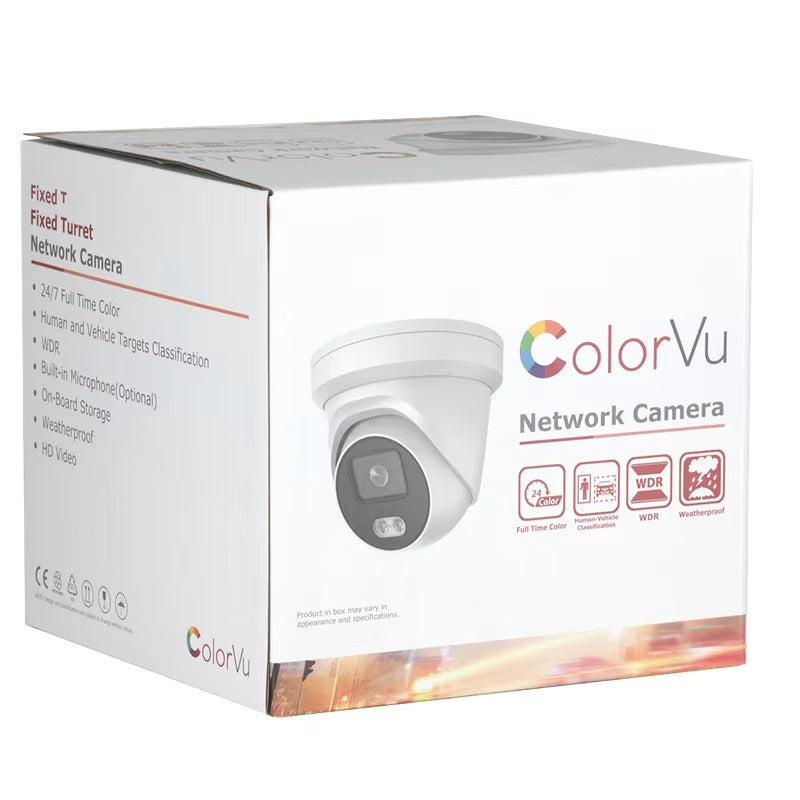
Traditional infrared cameras produce black-and-white footage at night. Hikvision ColorVu uses light-sensitive optics and image sensors to capture more color information when lighting is limited.
Three elements work together:
F1.0 Large-Aperture Lens
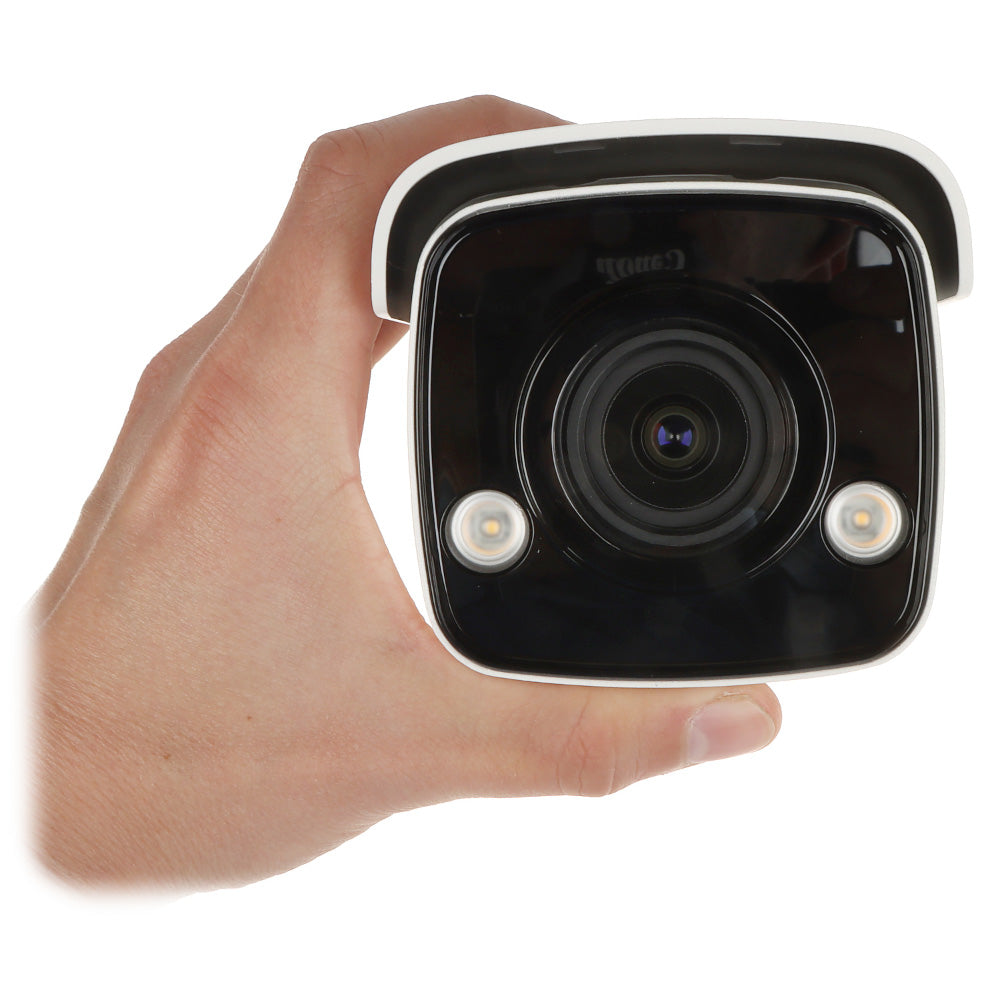
The F1.0 lens lets more light enter the camera than a smaller-aperture lens. This helps maintain image brightness and color in dim environments.
High-Sensitivity Image Sensor
The image sensor makes better use of available light, helping preserve details in dark areas. This is useful when reviewing clothing colors, vehicle colors and other visible features after an incident.
Supplemental White Light
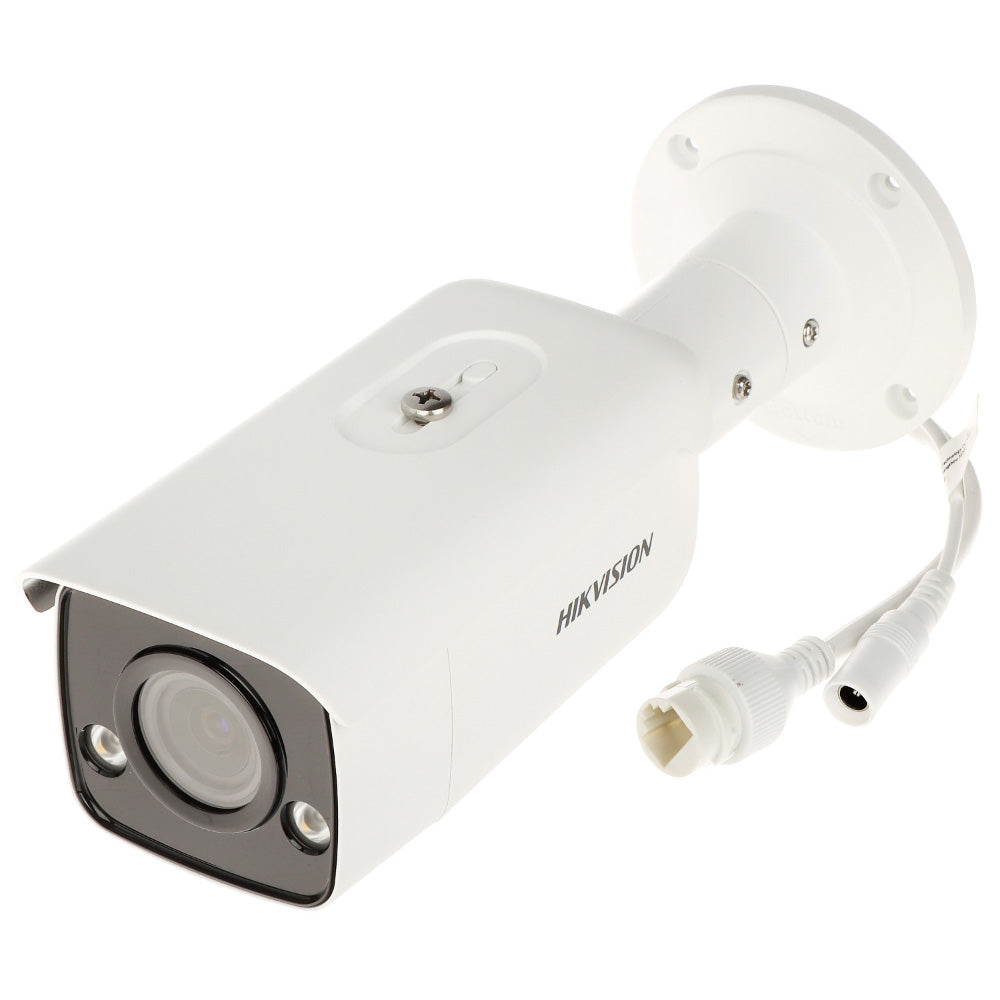
When ambient light is insufficient, built-in white-light illuminators provide the visible light needed for color recording.
ColorVu can capture color footage without switching on its supplemental light when the scene has enough ambient lighting. In complete darkness, color recording requires visible illumination.
What's New in Hikvision ColorVu 3.0?
ColorVu 3.0 builds on the original low-light imaging technology with HikAI-ISP, Hikvision's AI-powered image processing system.
The upgrade focuses on three improvements:
HikAI-ISP: Clearer Images With Less Noise
HikAI-ISP reduces image noise and motion blur in low-light scenes. This helps preserve details when people or vehicles move through the camera's view.
AI 3D LUT: More Accurate Nighttime Colors
AI 3D LUT adjusts how colors appear in the image. It helps restore more natural color tones under challenging nighttime lighting.
AI WDR: Better Detail in Bright and Dark Areas
AI WDR balances bright and dark parts of the scene. It can automatically adjust WDR operation as lighting changes, helping preserve details near bright entrances, headlights and shaded areas.
ColorVu 3.0 cameras also appear in Hikvision's upgraded Pro Series, which combines low-light imaging with features such as AcuSense 3.0 and Audio 2.0.
These are separate functions: ColorVu improves image quality, AcuSense handles intelligent detection, and Audio 2.0 improves sound capture and communication.
How to Choose a Hikvision ColorVu Camera
The main differences are the ColorVu generation, nighttime lighting behavior, camera design and additional security functions.
Traditional ColorVu vs. ColorVu 3.0
Traditional ColorVu cameras focus on low-light color imaging using large-aperture lenses, sensitive image sensors and white-light illumination.
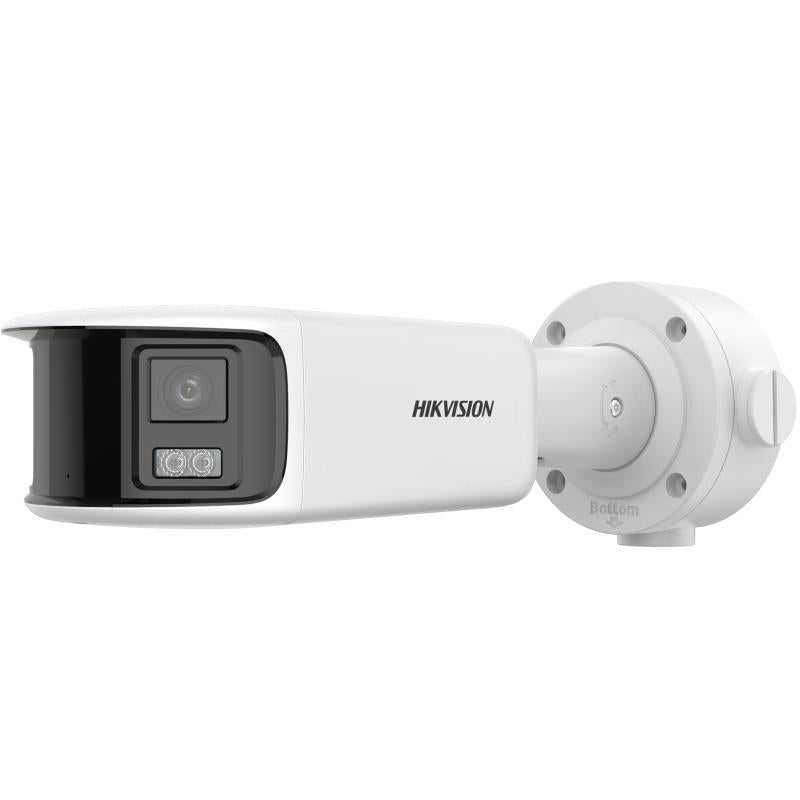
For example, the DS-2CD2T87G2-L is an 8MP ColorVu bullet camera with an F1.0 lens and built-in white-light illumination.
ColorVu 3.0 adds AI-powered image processing for improved noise reduction, motion detail and color reproduction.
The DS-2CD2347G3-LI2UY is a 4MP ColorVu 3.0 turret camera with HikAI-ISP, Smart Hybrid Light and human and vehicle classification.
The DS-2CD2387G3-LIS2UY/SL is an 8MP ColorVu 3.0 turret camera with the same core imaging technology, plus built-in two-way audio and active warning functions.
Camera Design and Viewing Coverage
Dome Cameras
Dome housings provide an enclosed camera design for ceiling and wall installations. The DS-2CD2187G3-LIS2UY is an 8MP ColorVu 3.0 dome model with an IP67 weather-resistance rating and IK10 impact-resistance rating.
Turret Cameras
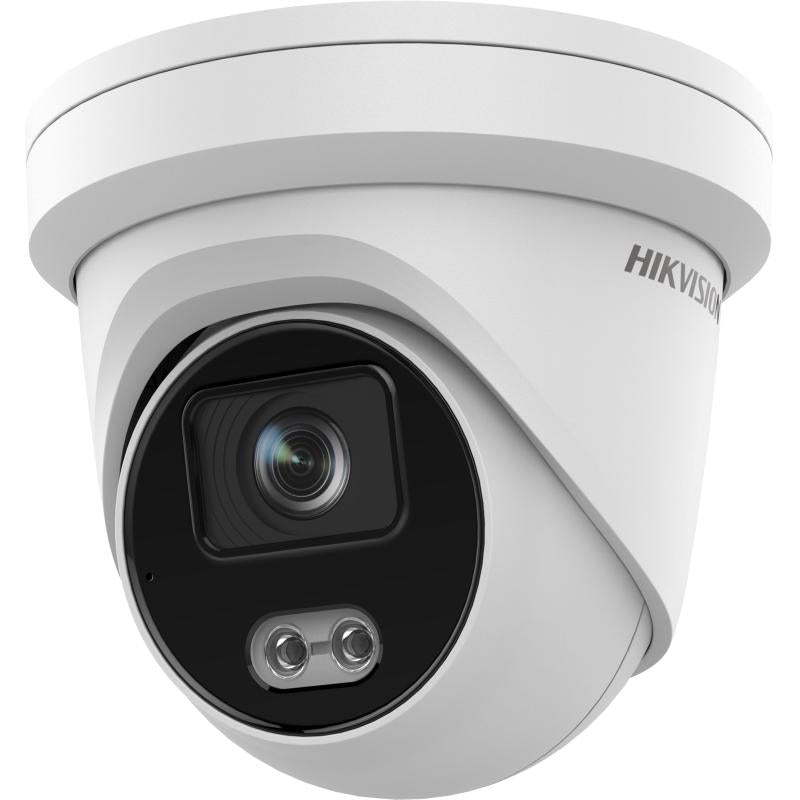
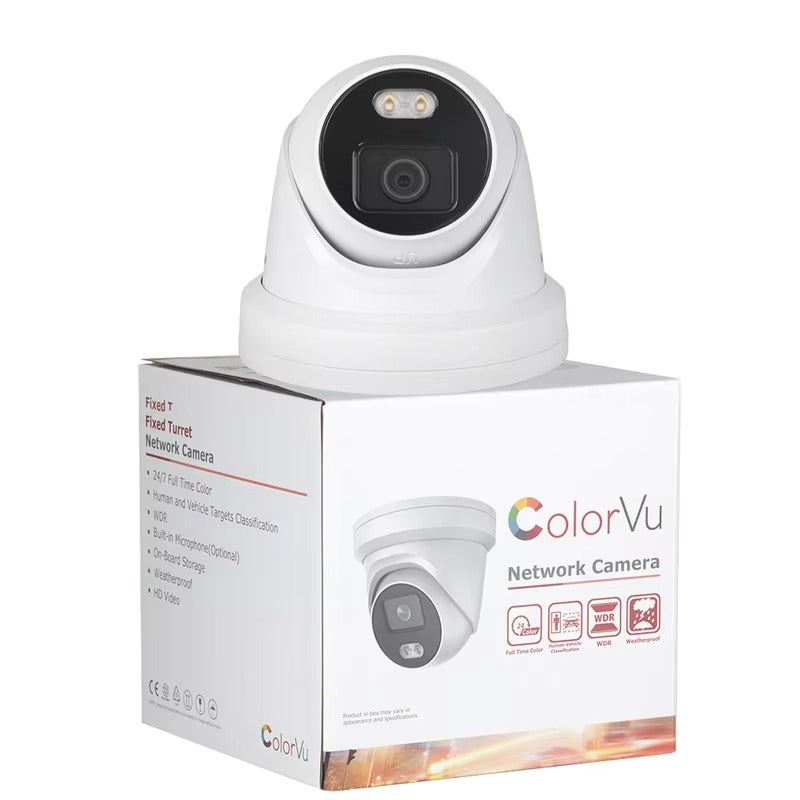
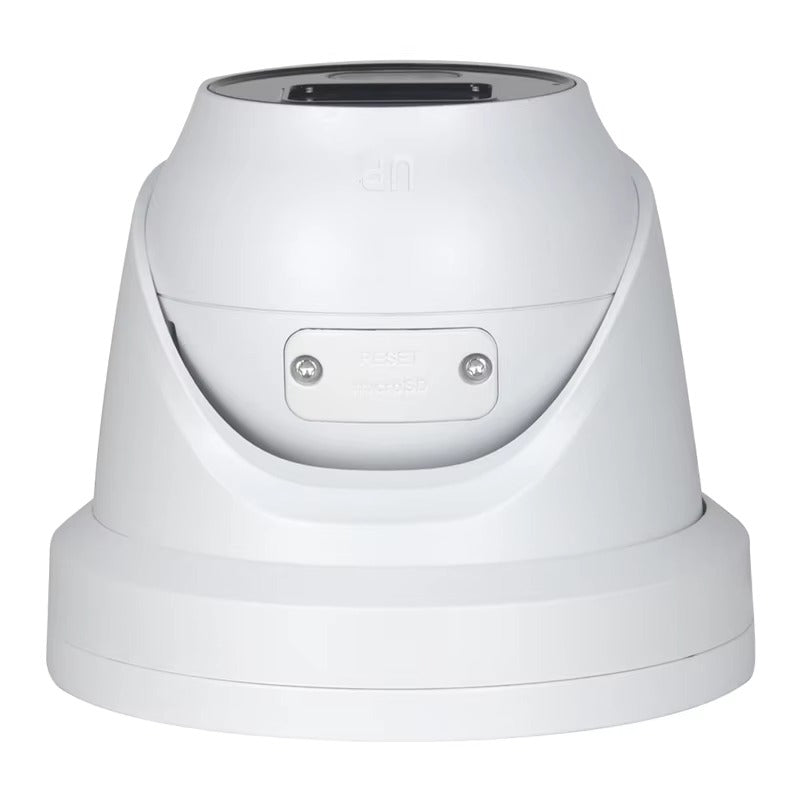
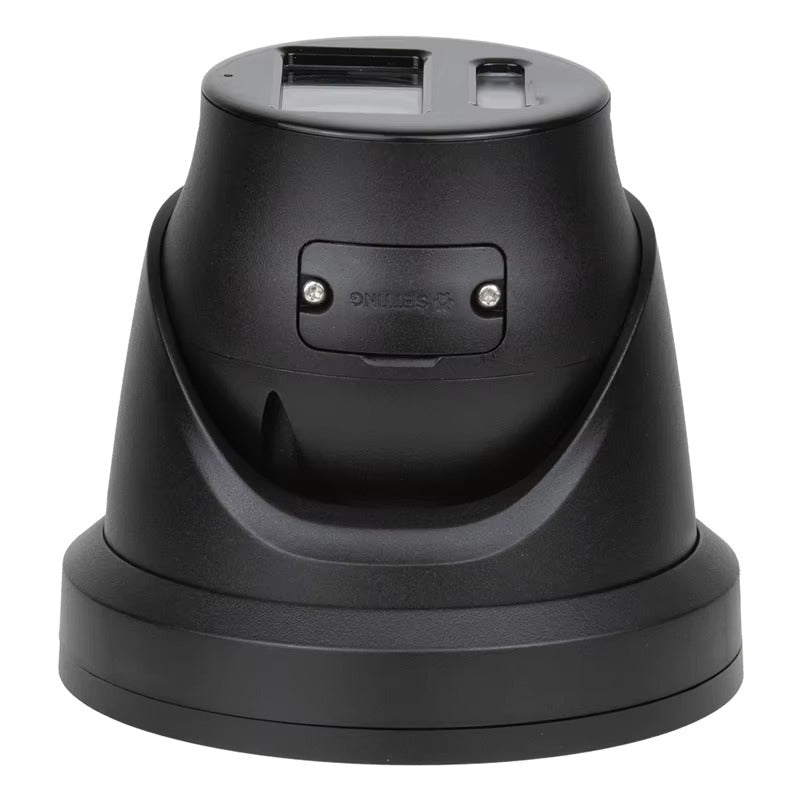
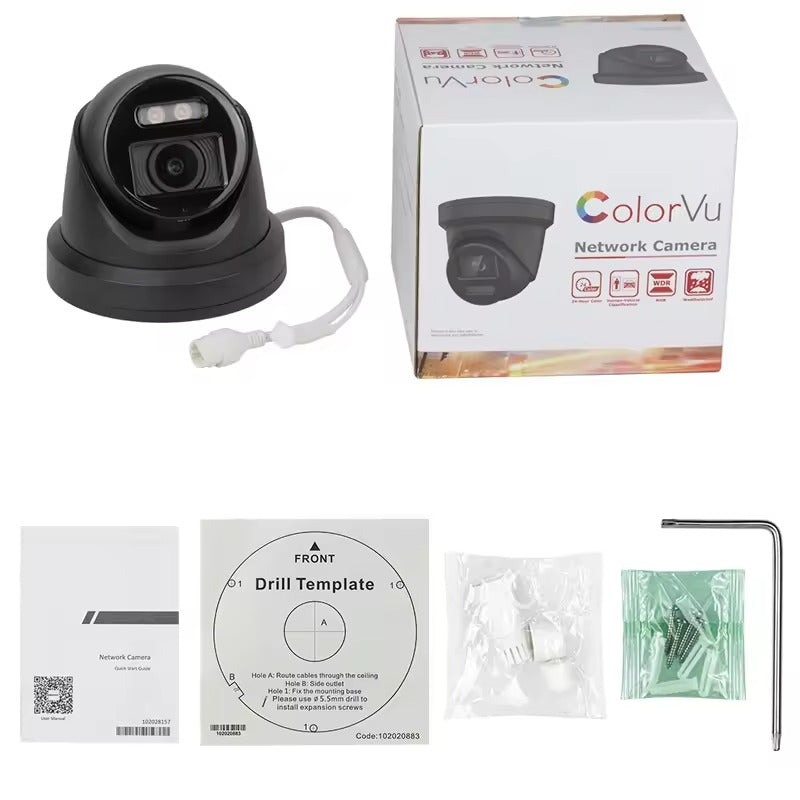
Turret cameras have adjustable eyeball-style housings for fixed monitoring positions.
The DS-2CD2347G3-LI2UY offers 4MP resolution, while the DS-2CD2387G3-LIS2UY/SL provides 8MP resolution with additional audio and warning functions.
Bullet Cameras
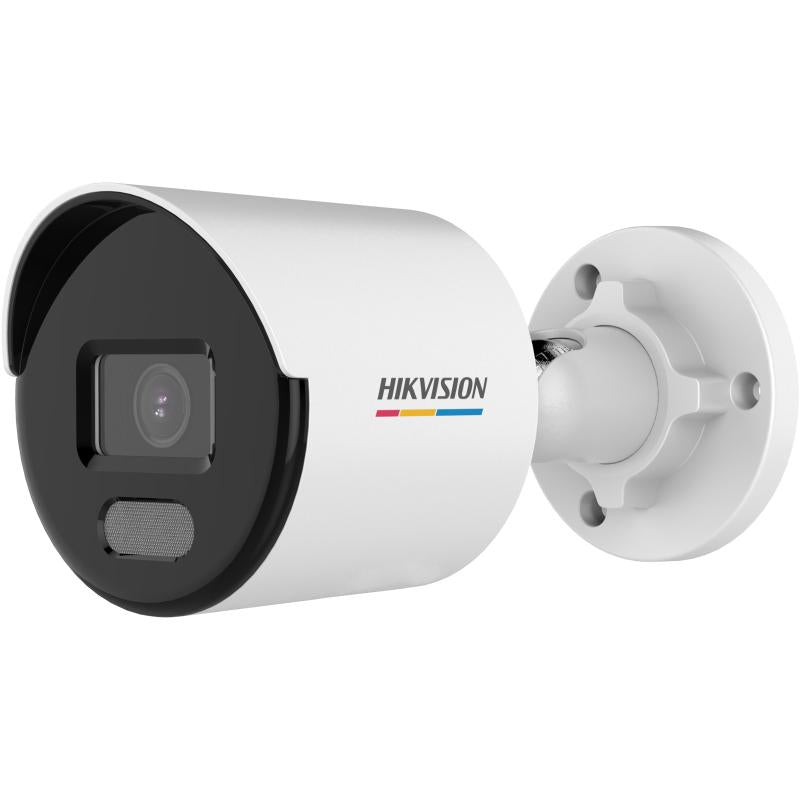
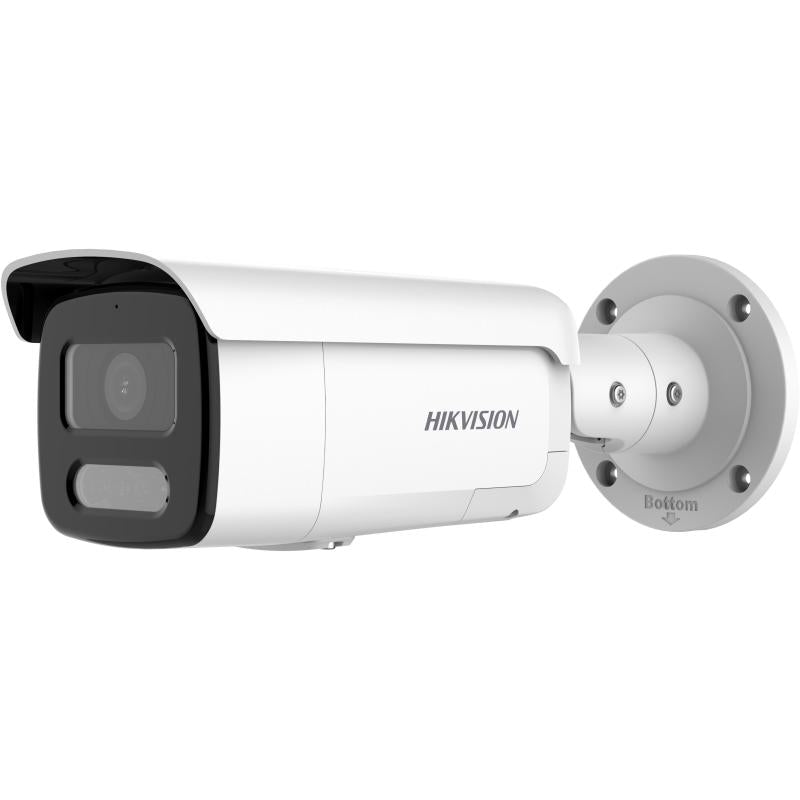
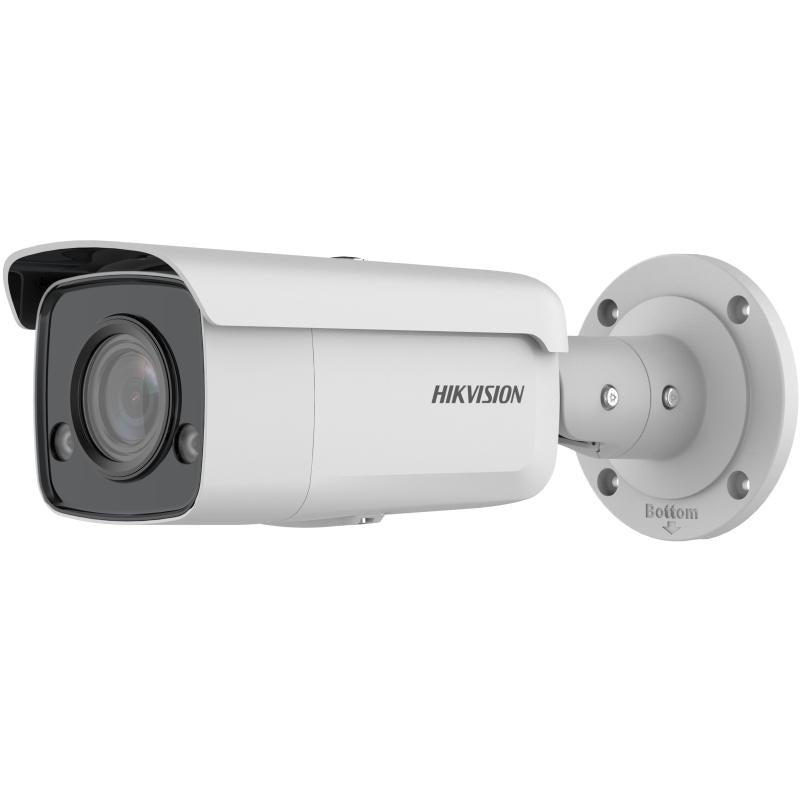
Bullet cameras provide a directional housing that works well for wall-mounted exterior views.
The DS-2CD2087G3-LI2UY is an 8MP ColorVu 3.0 mini bullet camera with Smart Hybrid Light and built-in dual microphones.
Additional Detection and Audio Features
ColorVu and AcuSense serve different purposes. ColorVu improves nighttime images, while AcuSense classifies people and vehicles for intelligent event detection.
The DS-2CD2387G3-LIS2UY/SL combines ColorVu 3.0 imaging with person and vehicle classification, dual microphones, a built-in speaker, a flashing warning light and an audio alarm.
The DS-2CD2347G3-LI2UY provides ColorVu 3.0 imaging and intelligent detection without the same integrated warning speaker and strobe-light configuration.
Camera specifications should identify these functions separately instead of treating them as standard ColorVu features.