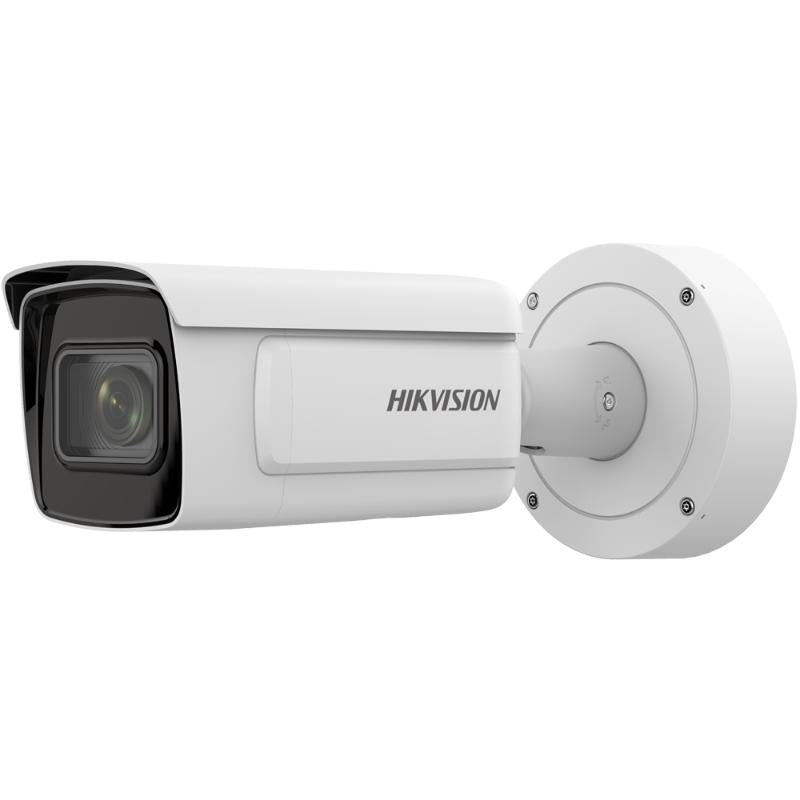
What Is a Hikvision IP Camera?
A Hikvision IP camera captures and transmits video over a standard network, allowing it to connect to a compatible NVR, PoE switch, or video management system. These cameras support applications ranging from small retail stores and offices to warehouses, campuses, parking facilities, and large multi-site surveillance systems.
This collection provides a central starting point for comparing Hikvision network cameras by resolution, housing type, lens, low-light performance, analytics, and installation environment.
Available Hikvision IP Camera Types
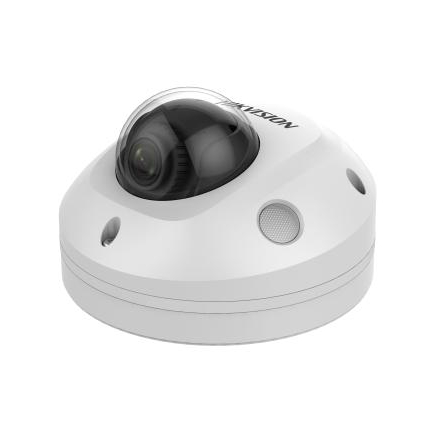
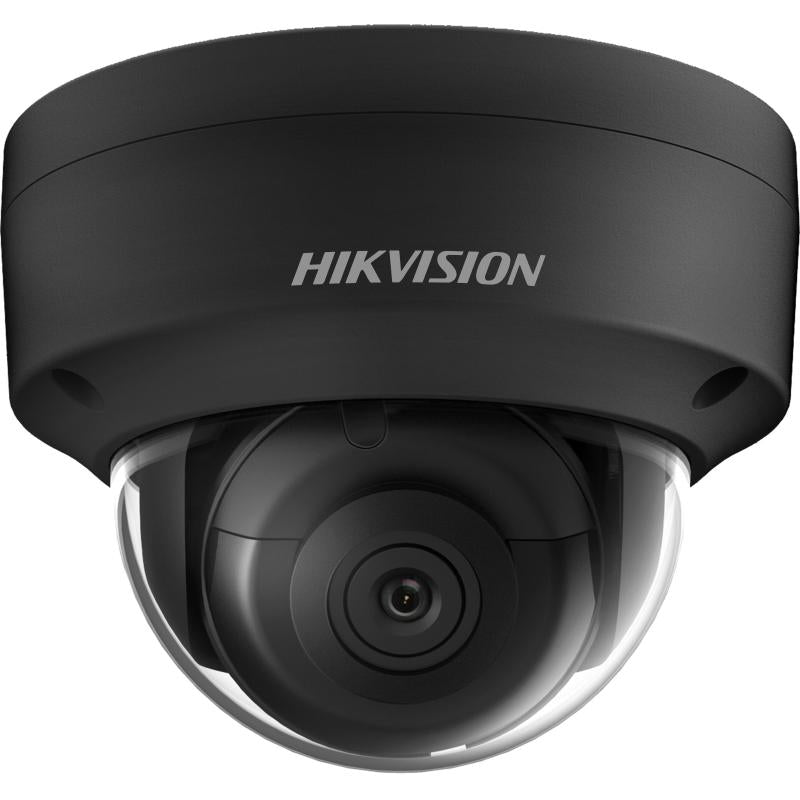
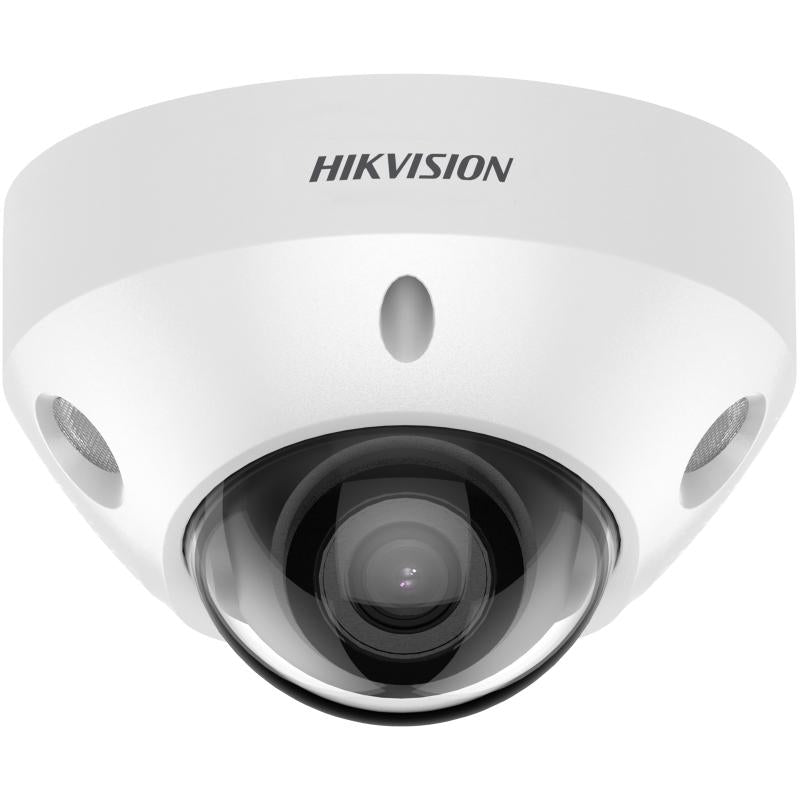
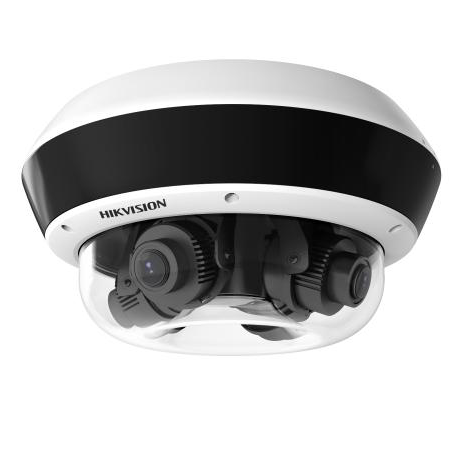
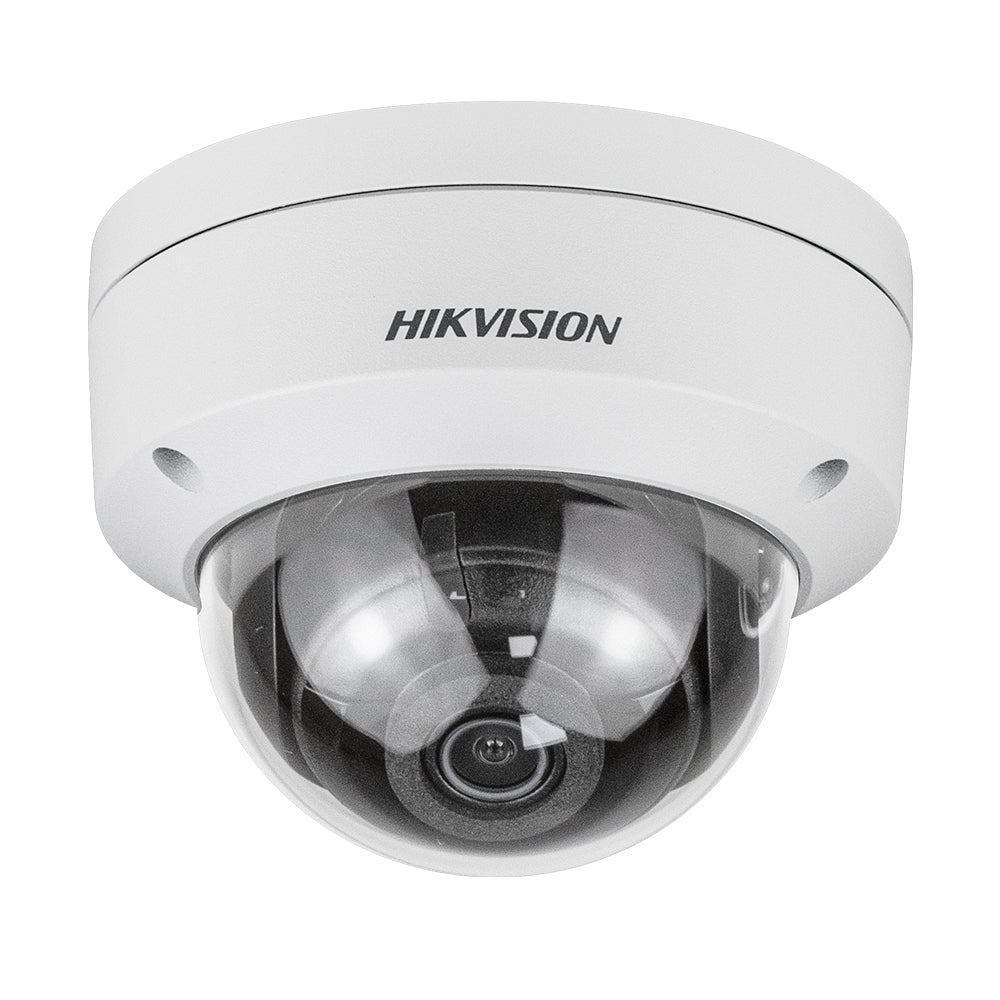
Dome Cameras
Compact cameras with a discreet housing for offices, retail stores, schools, and other public-facing locations. Selected models include vandal-resistant construction.
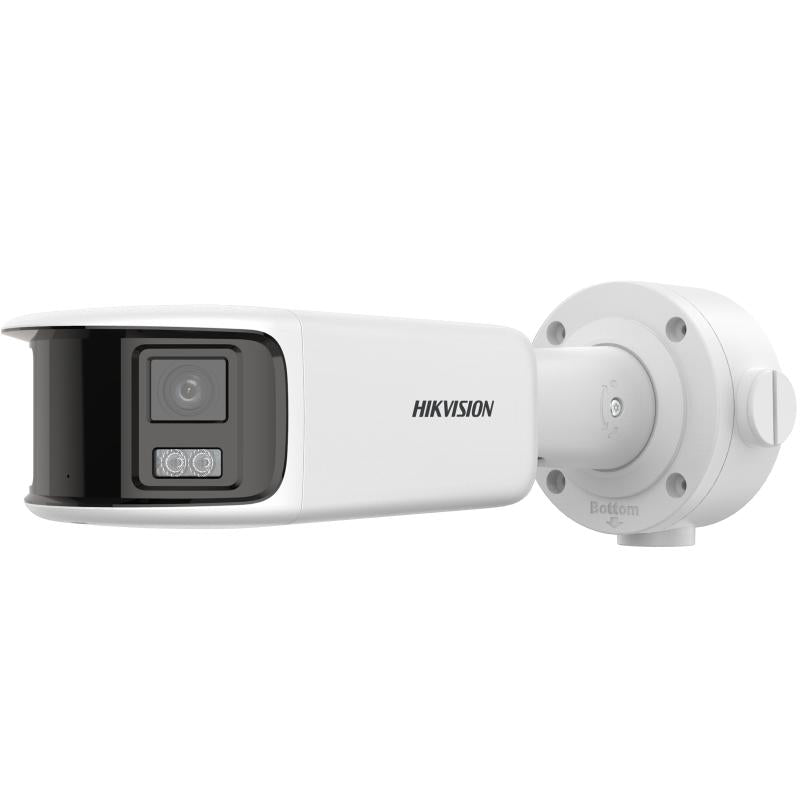
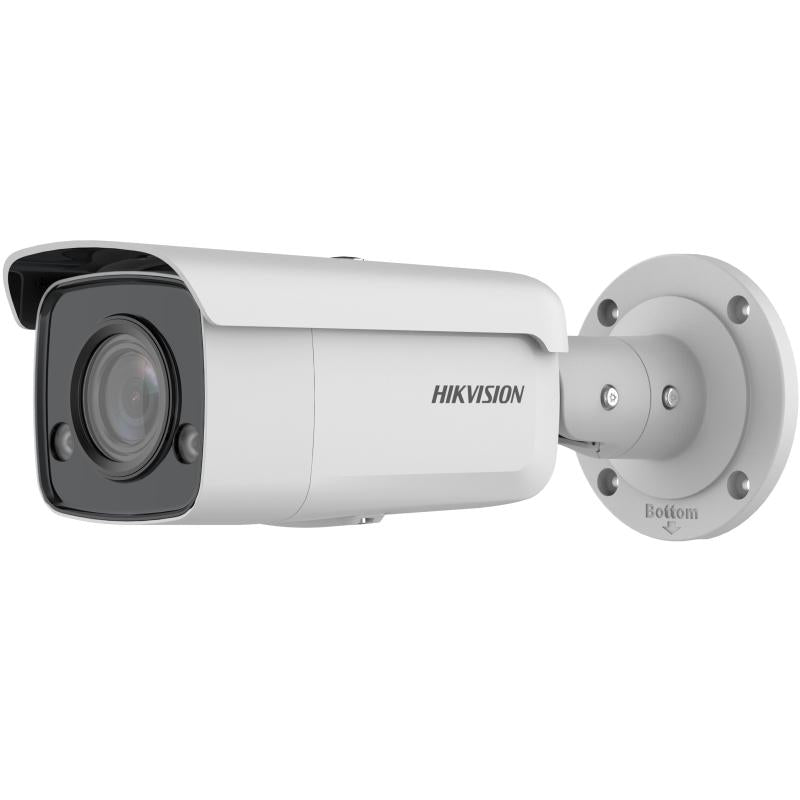
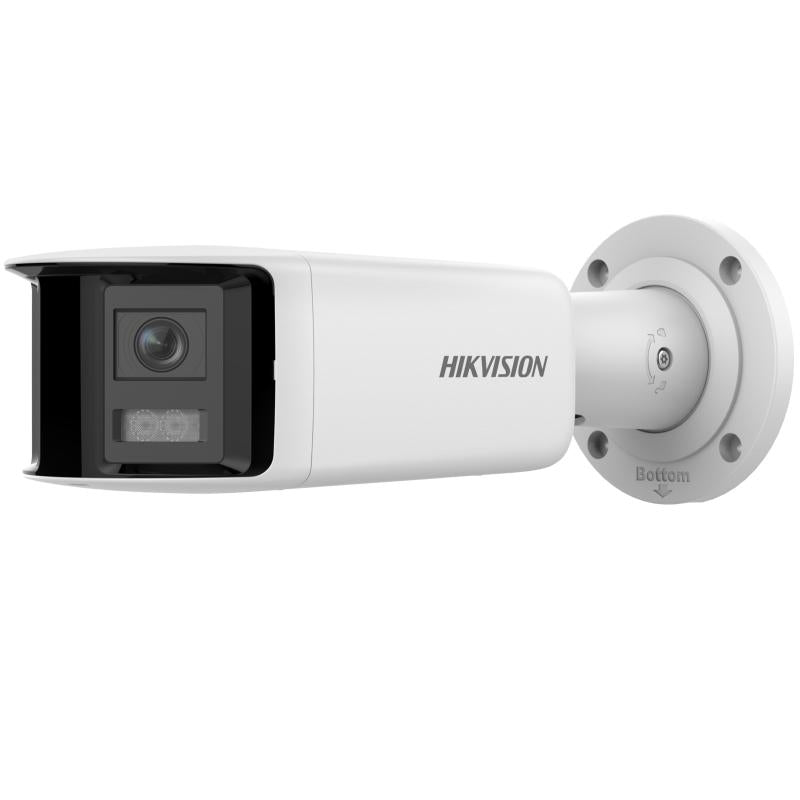
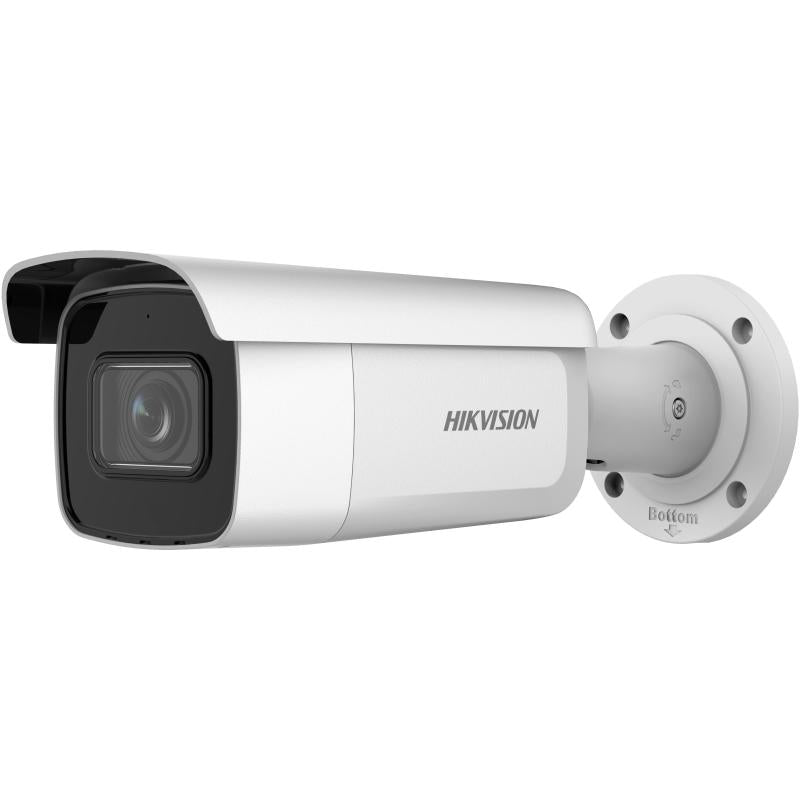
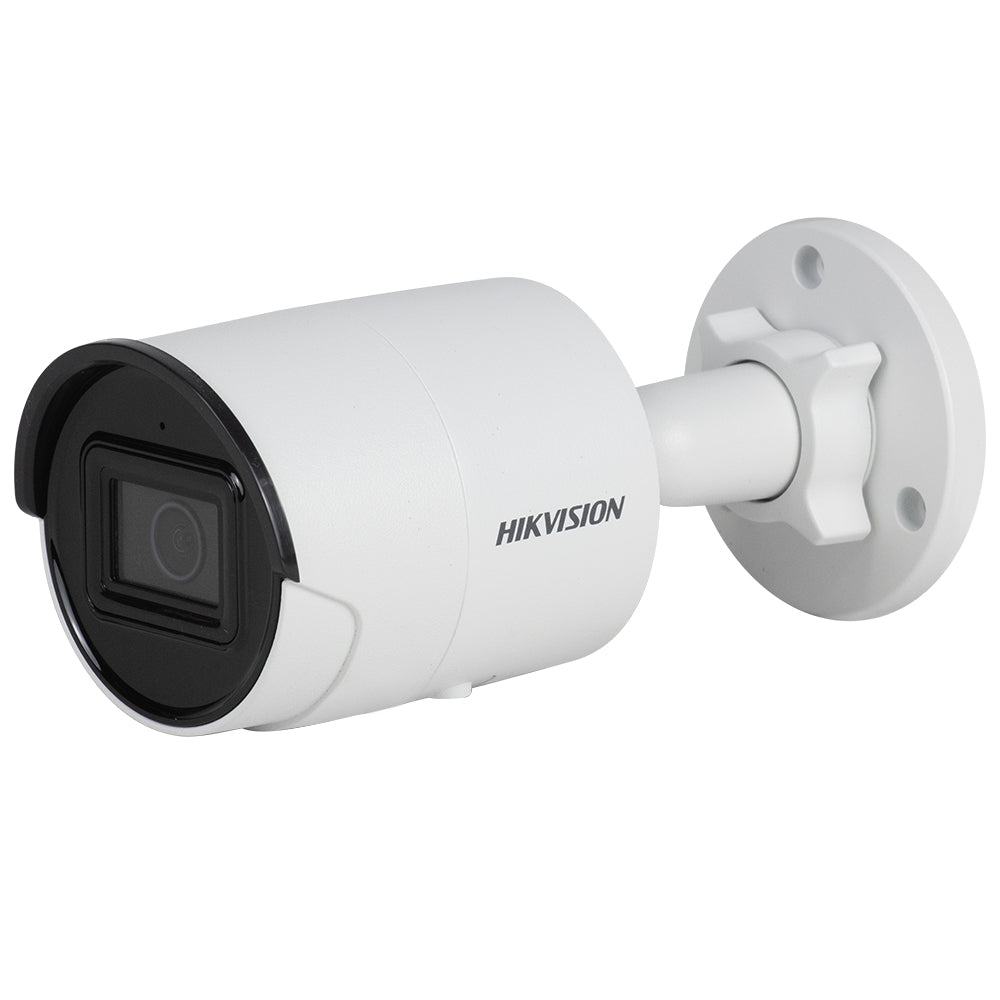
Bullet Cameras
Visible, directional cameras commonly used for building exteriors, parking areas, entrances, and perimeter surveillance.
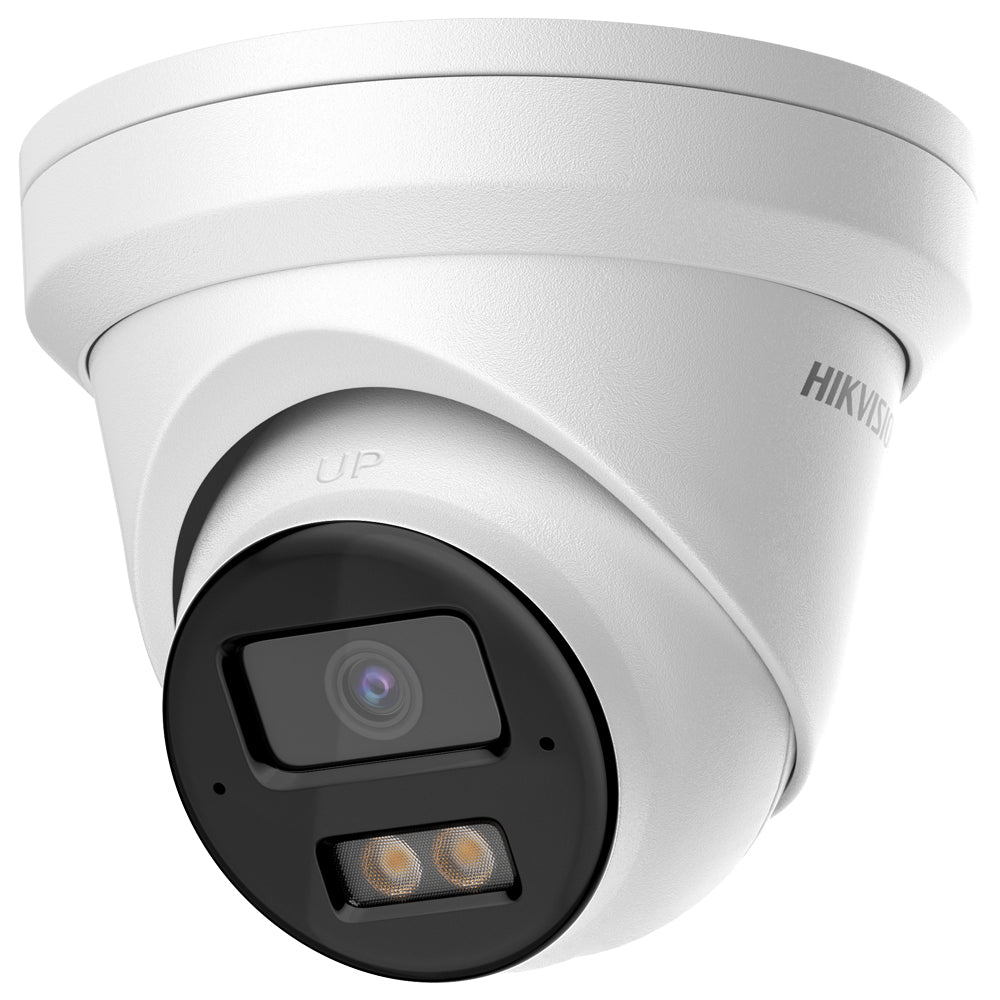
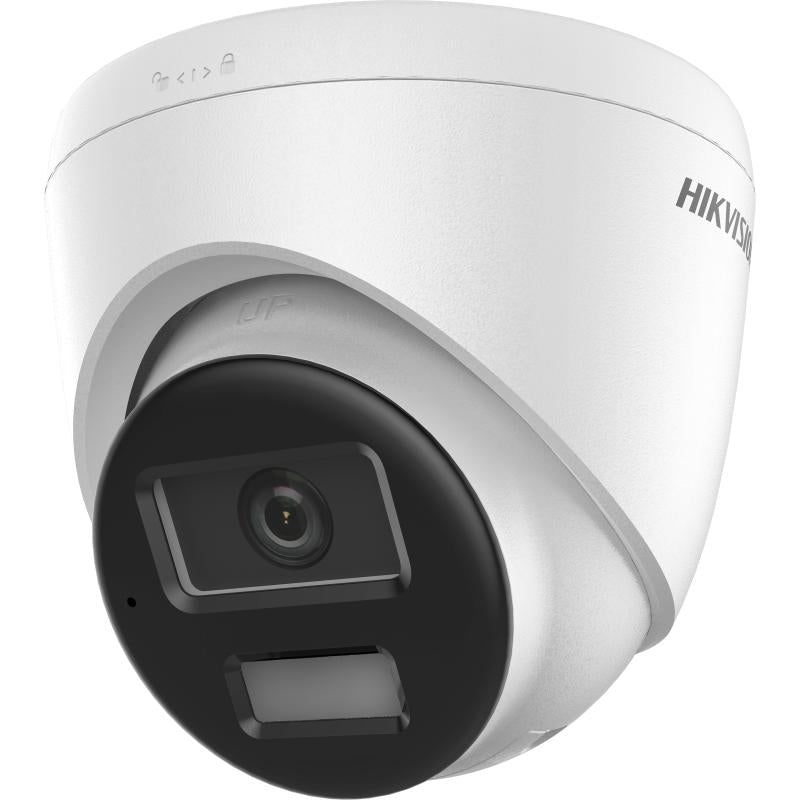
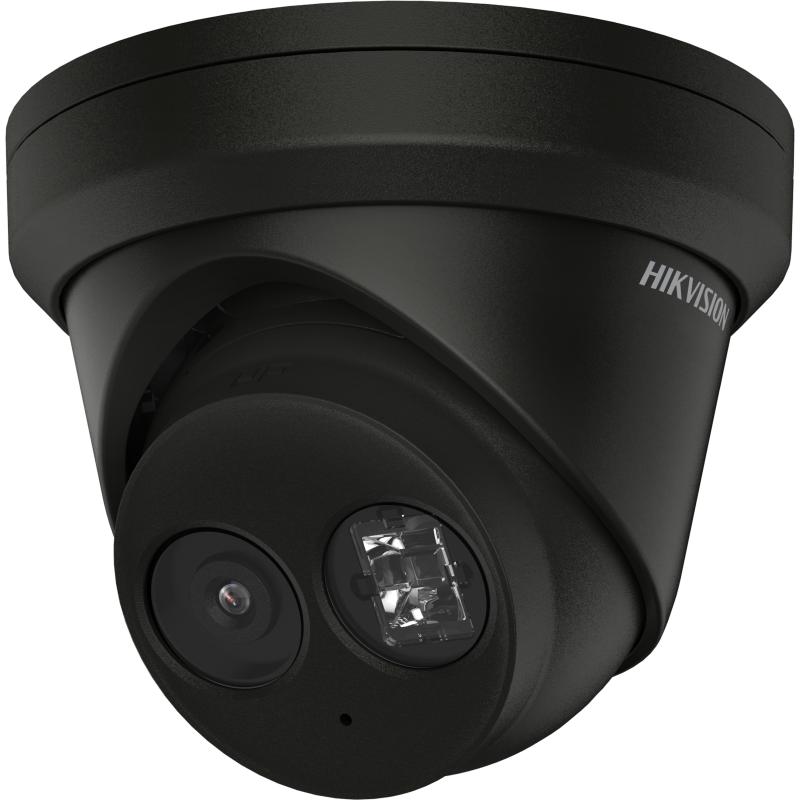
Turret Cameras
Adjustable eyeball-style cameras that combine flexible positioning with a compact design for indoor and outdoor installations.
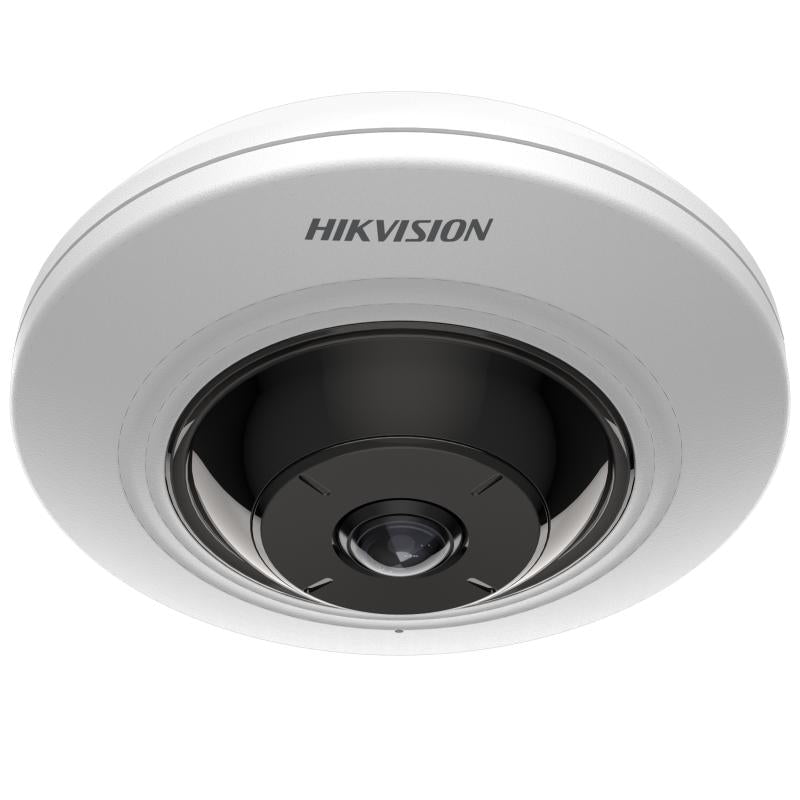
Fisheye Cameras
Wide-angle cameras designed to monitor large open areas from a single mounting position. Available viewing and dewarping modes depend on the model and recording platform.
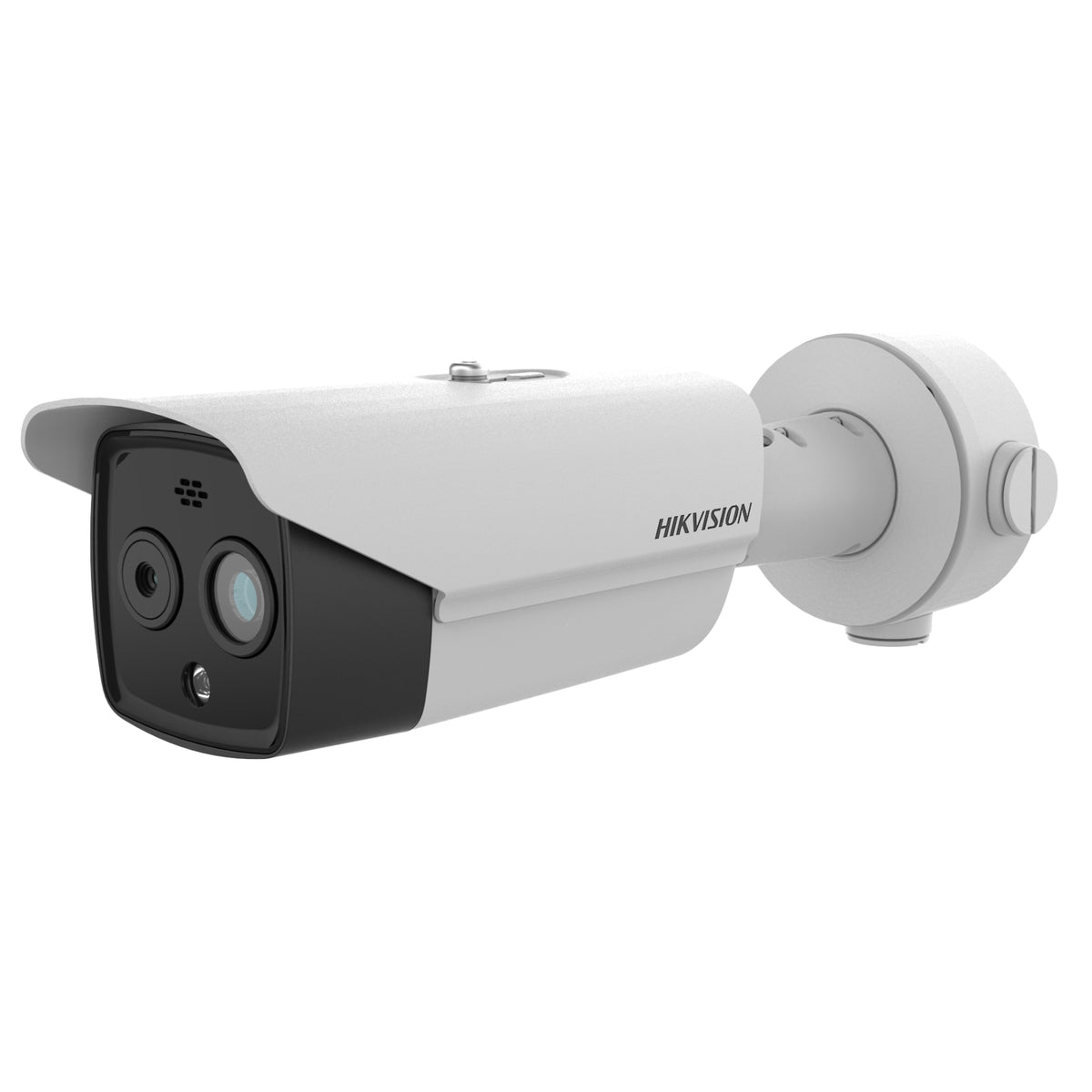
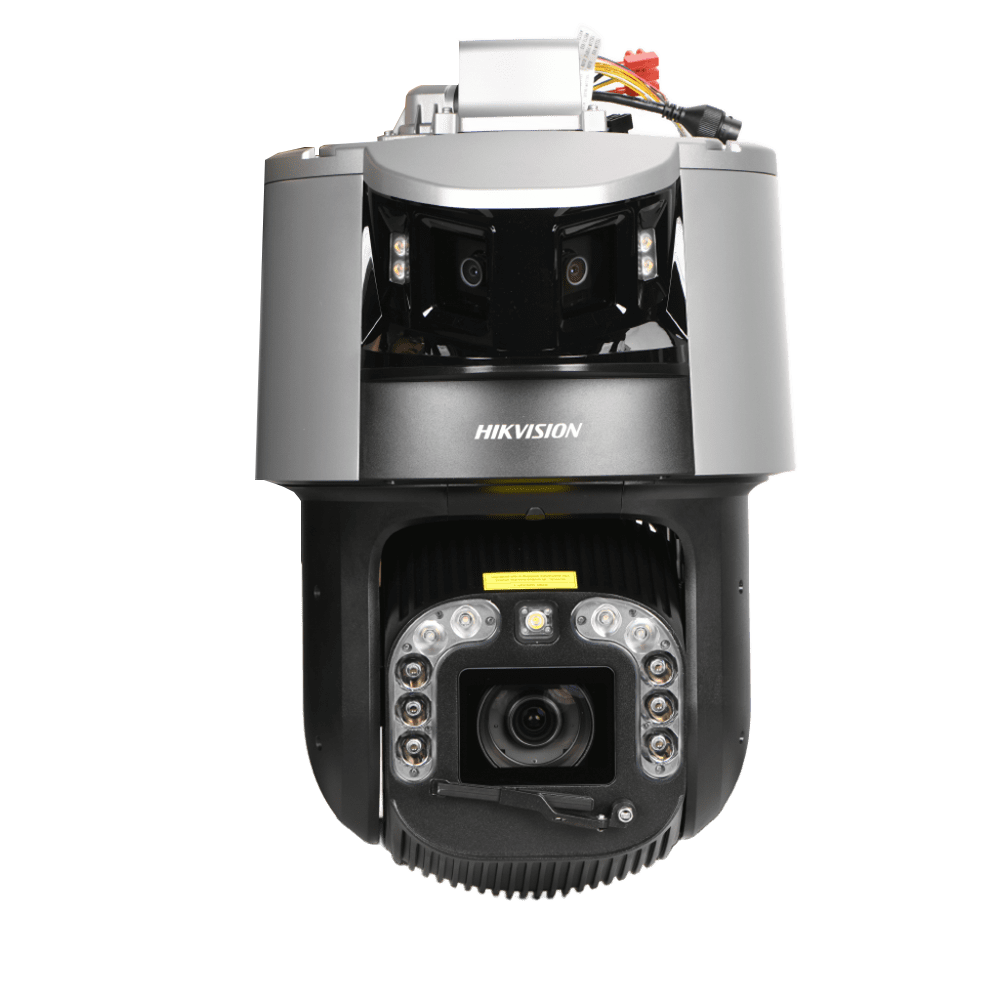
Specialized Cameras
Selected Hikvision models offer ColorVu low-light imaging, AcuSense human and vehicle classification, DarkFighter technology, license plate recognition, or other application-specific functions.
Choose by Resolution and Lens
Hikvision IP cameras are available in multiple resolution tiers, including 2MP, 4MP, 5MP, 6MP, and 8MP or 4K. Higher resolution provides more pixels for digital zoom and post-event review, while also increasing bandwidth and storage requirements.
Available lens options may include:
- Fixed lenses for a predetermined field of view
- Motorized varifocal lenses for remote viewing-angle adjustment
- Wide-angle lenses for broad scene coverage
- Specialized lenses for long-range or identification-focused monitoring
Network and Recorder Compatibility
Many Hikvision IP cameras support PoE, allowing power and video data to travel through one Ethernet cable. Compatible models may connect directly to a PoE NVR or through a separate PoE network switch.
Many models also support ONVIF for integration with compatible third-party NVRs and VMS platforms. Basic video streaming may work across brands, but audio, analytics, event notifications, PTZ control, playback, and advanced configuration can depend on the supported ONVIF profile, firmware, and recorder software.
What to Compare Before Choosing a Camera
Consider the following specifications when selecting a Hikvision IP camera:
- Resolution and frame rate
- Fixed or varifocal lens
- Horizontal and vertical field of view
- Infrared or supplemental-light distance
- Low-light imaging capability
- Human and vehicle classification
- Audio and alarm connections
- Indoor or outdoor rating
- Vandal-resistance rating
- PoE power requirements
- NVR and VMS compatibility