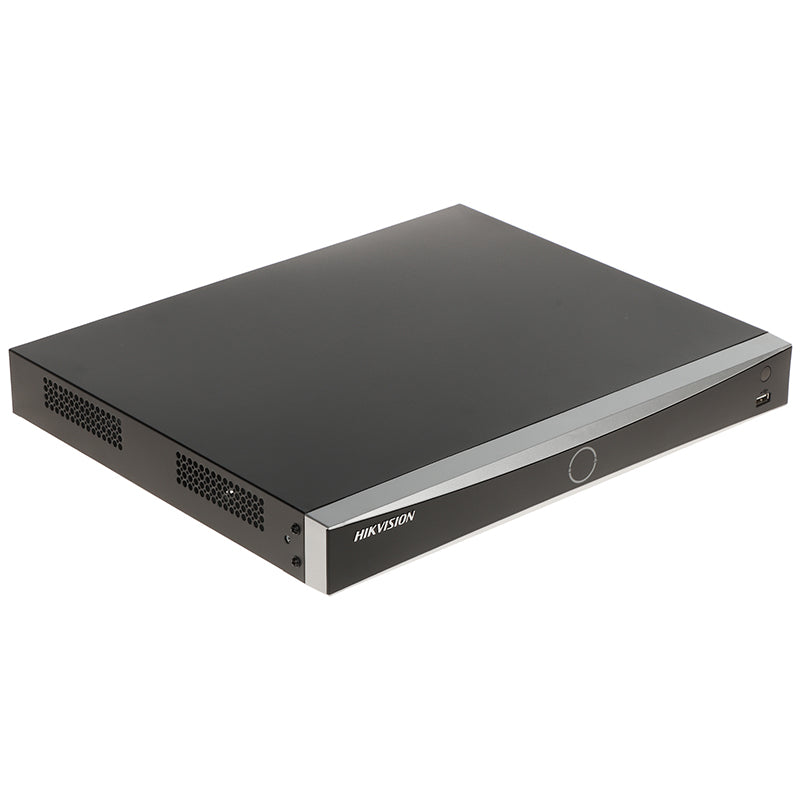
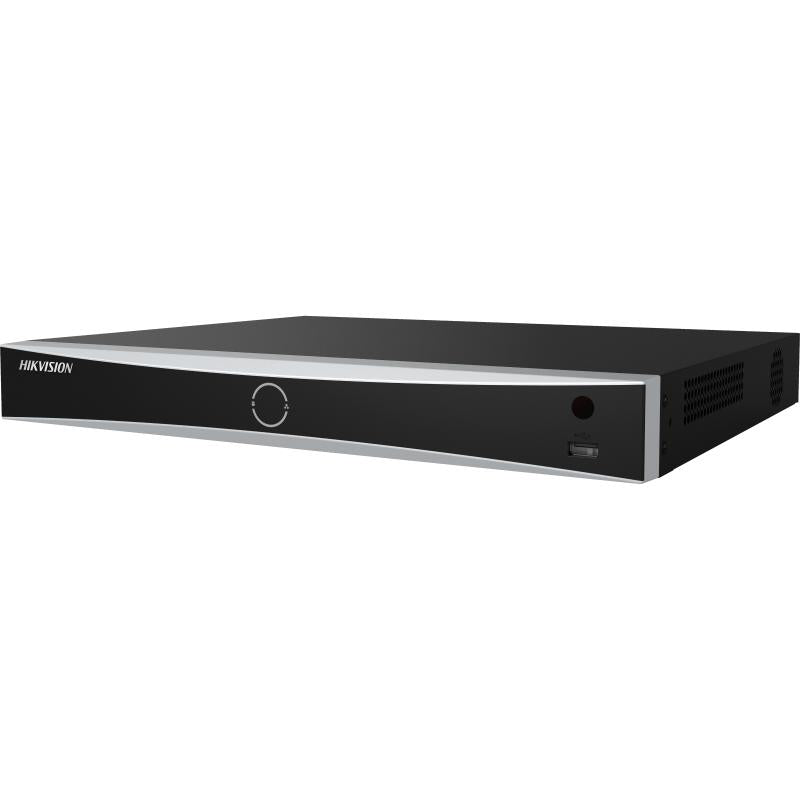
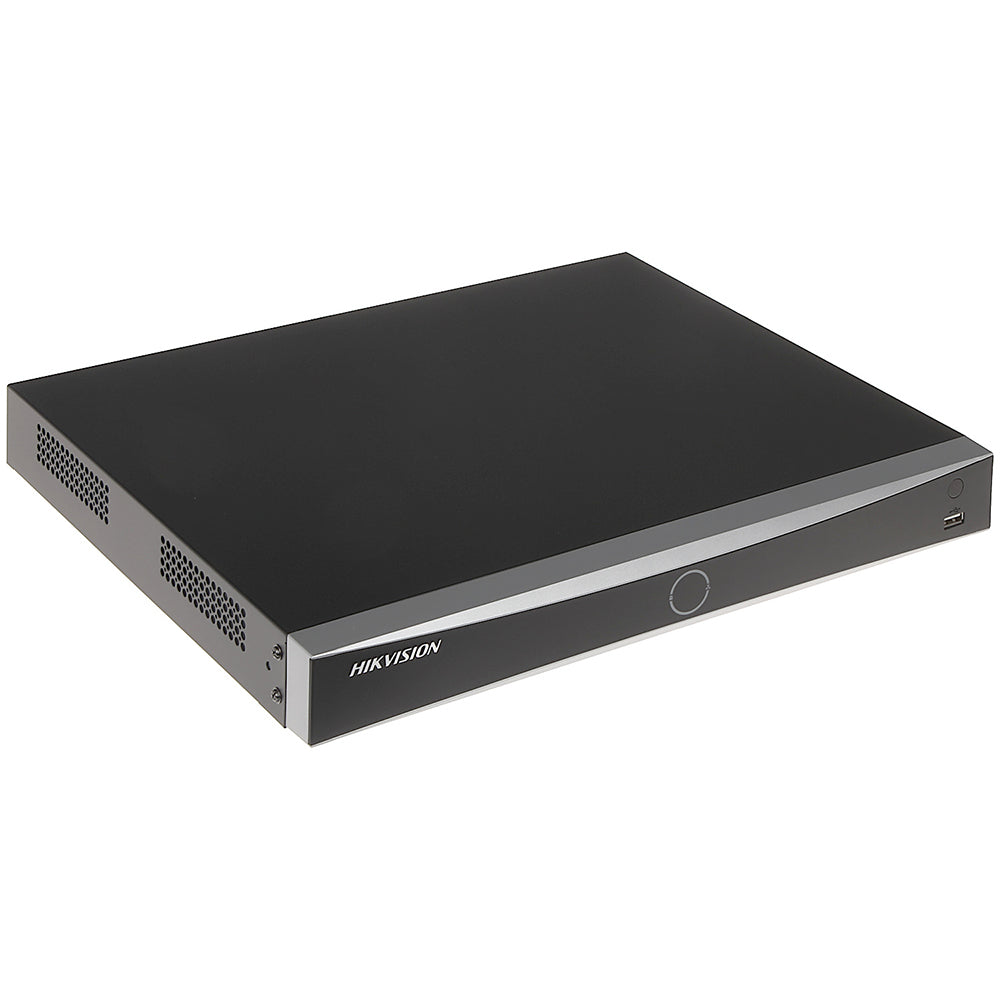
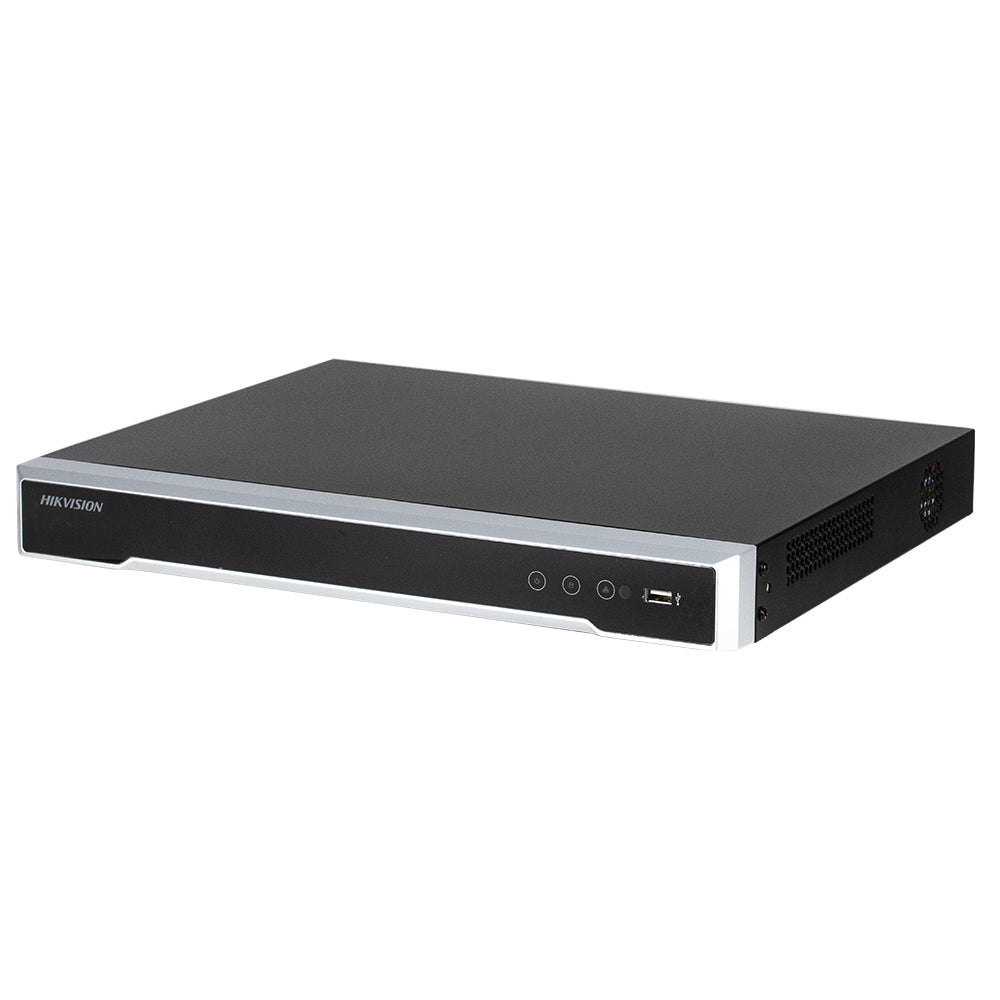
Where the 16-Channel Tier Belongs
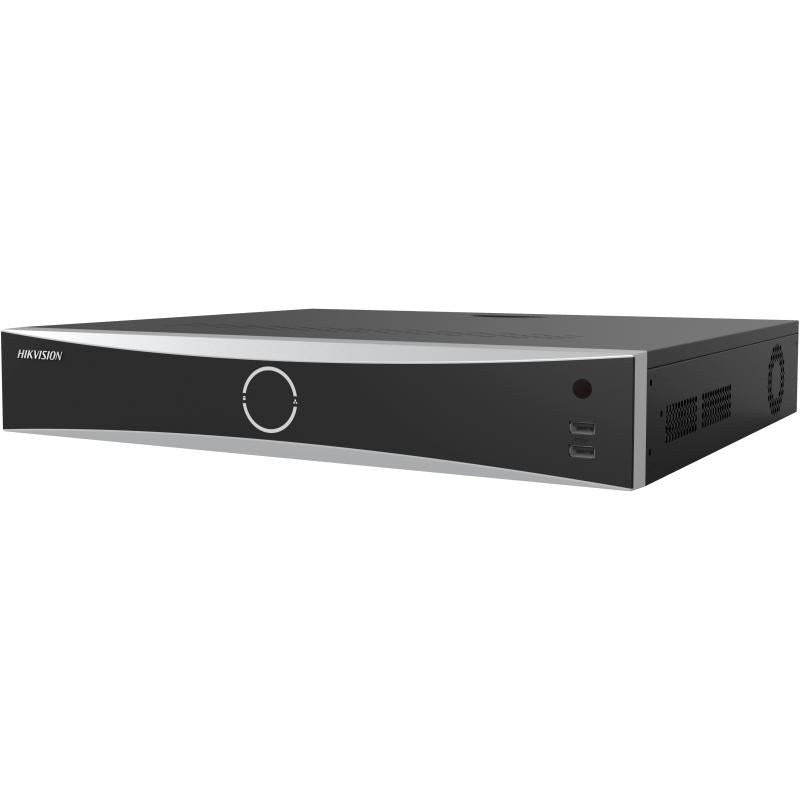
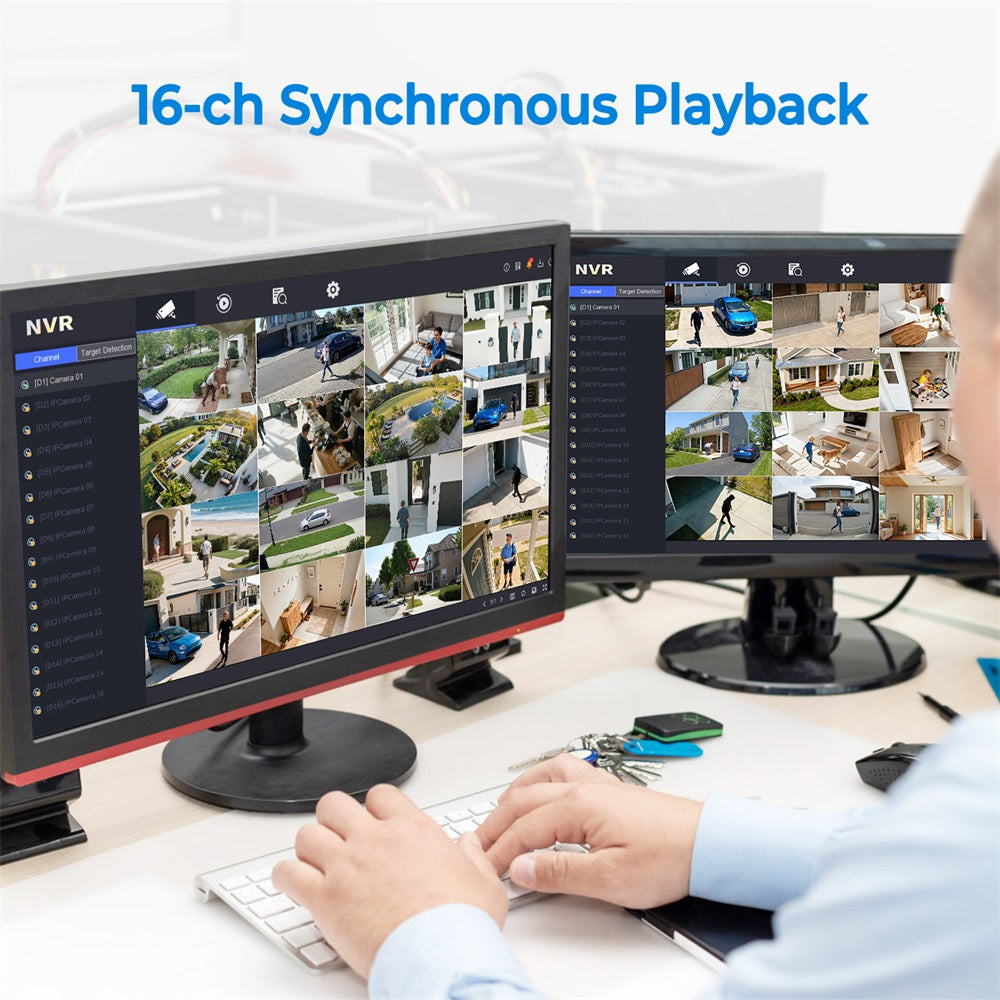
Sixteen channels suits buildings with distinct zones rather than a single room: perimeter parking, multiple entrances, interior corridors, cash handling, and loading docks, with a few channels held back for future additions.
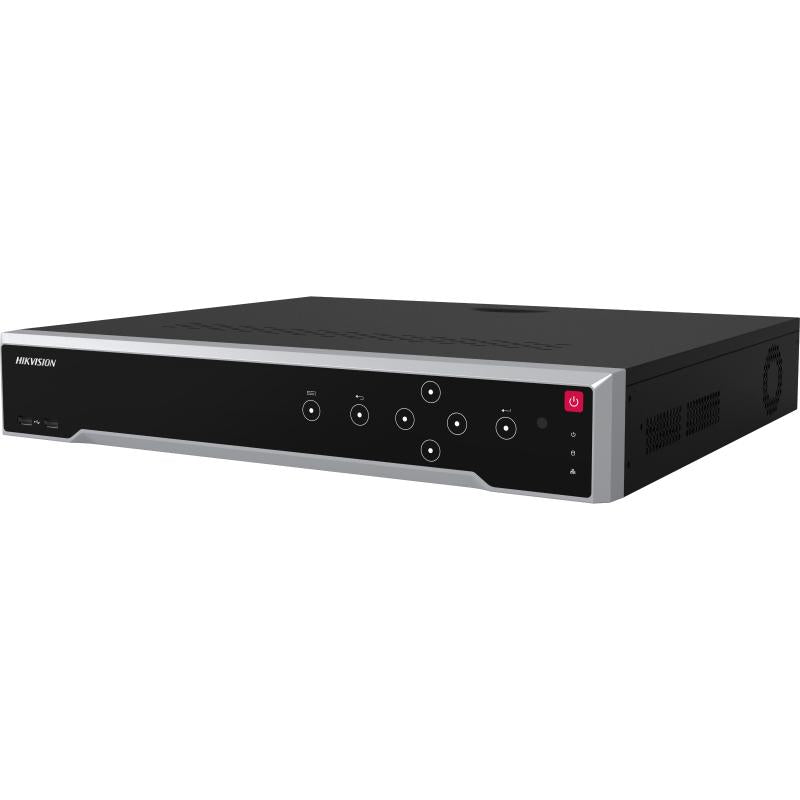
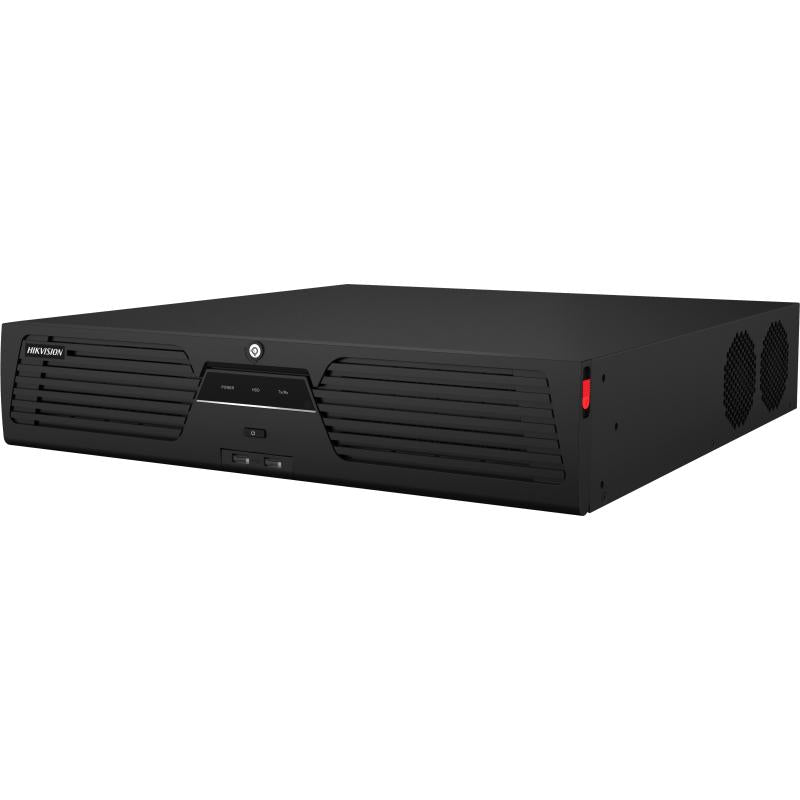
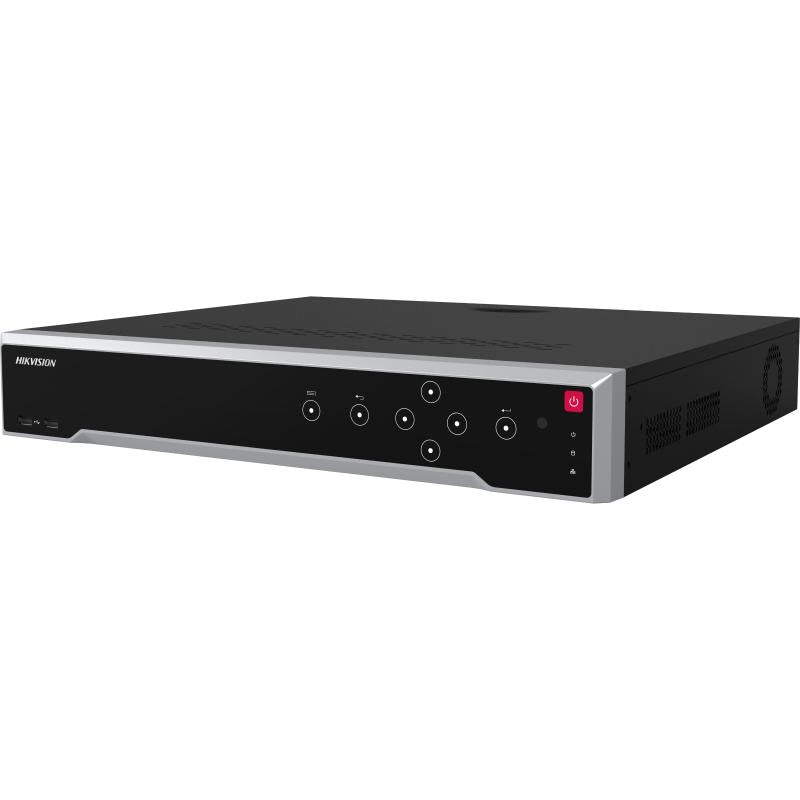
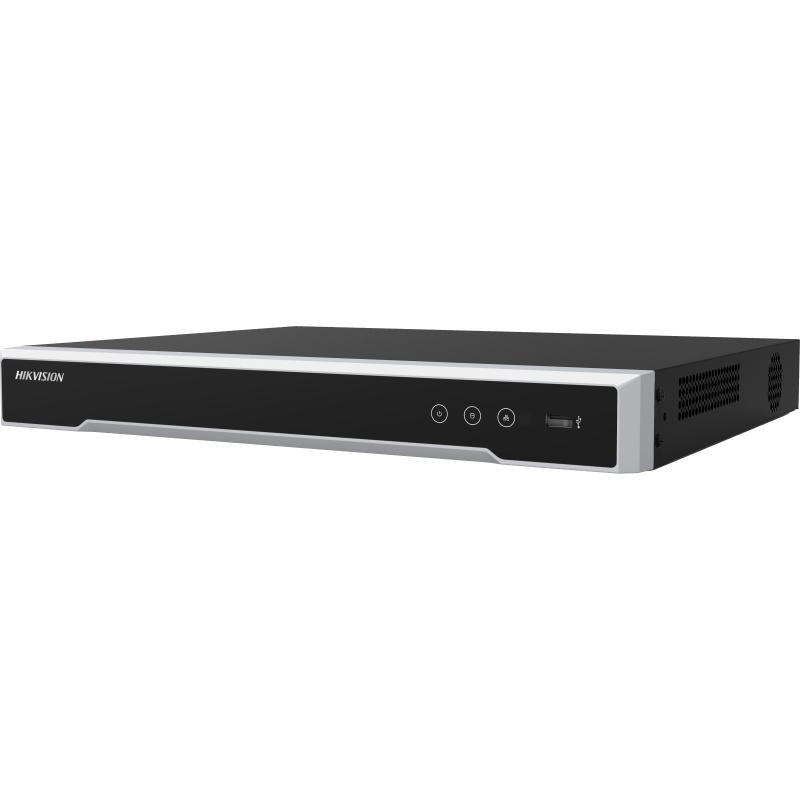
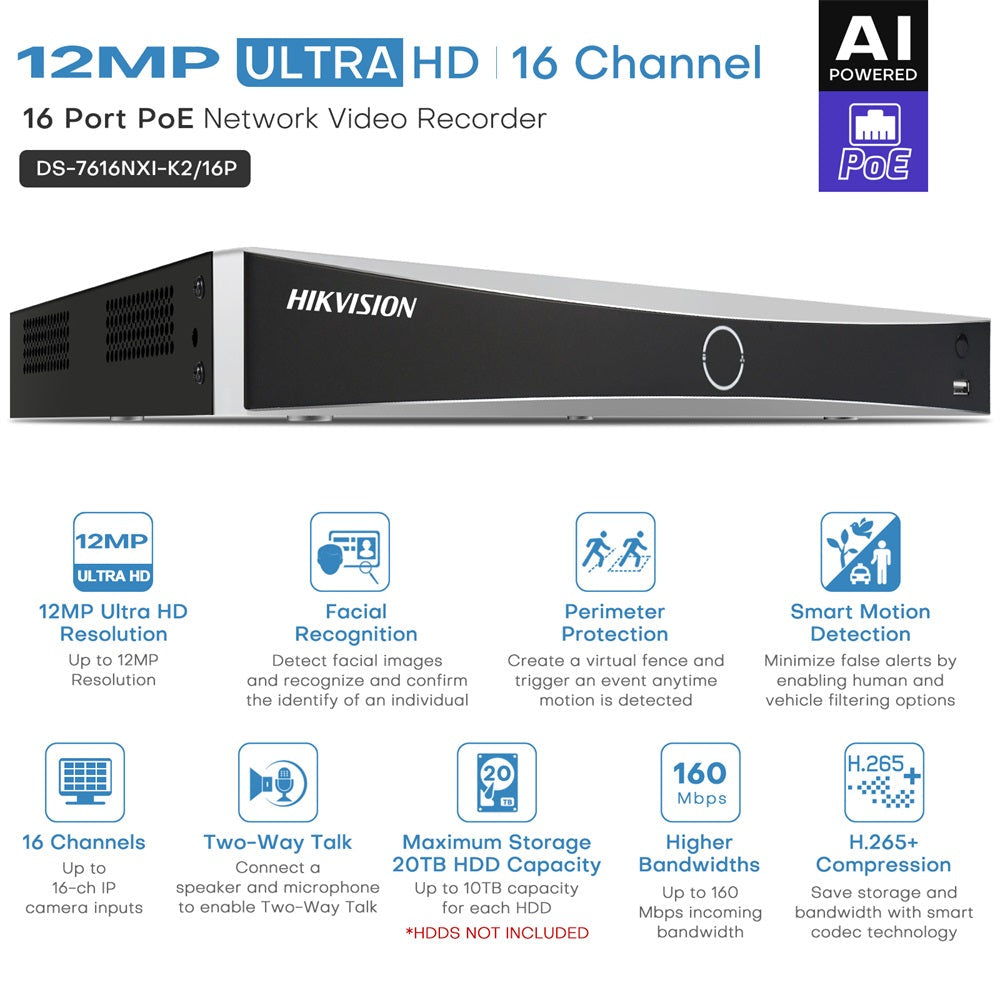
The step up from 8 channels also changes what the recorder must handle at the hardware level. Higher-tier models offer greater incoming bandwidth, additional drive bays, and expanded processing. Specific bandwidth ceilings, AI capability, and RAID availability differ by series and model — confirm these on the individual specification sheet rather than assuming they apply across the whole 16-channel range.
PoE Power Budget: The Constraint People Miss
A PoE NVR has two separate limits, and installers routinely check only the first.
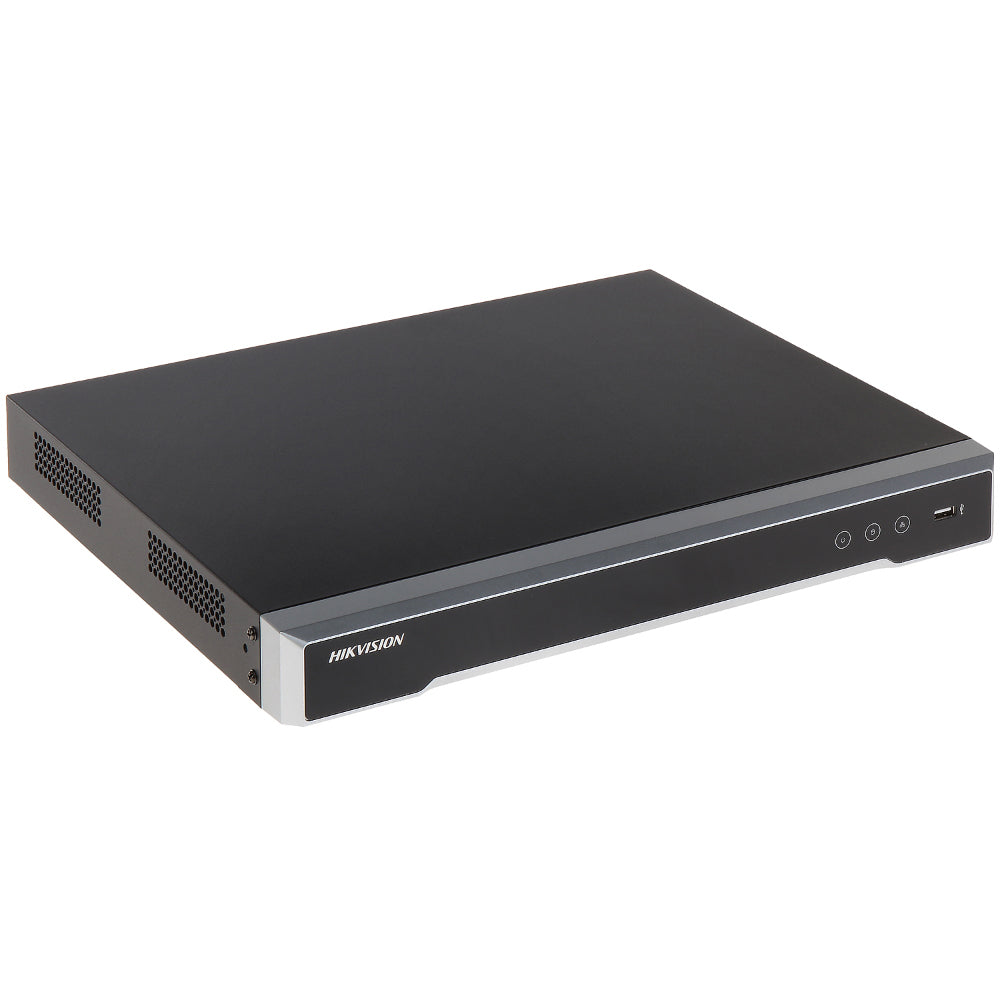
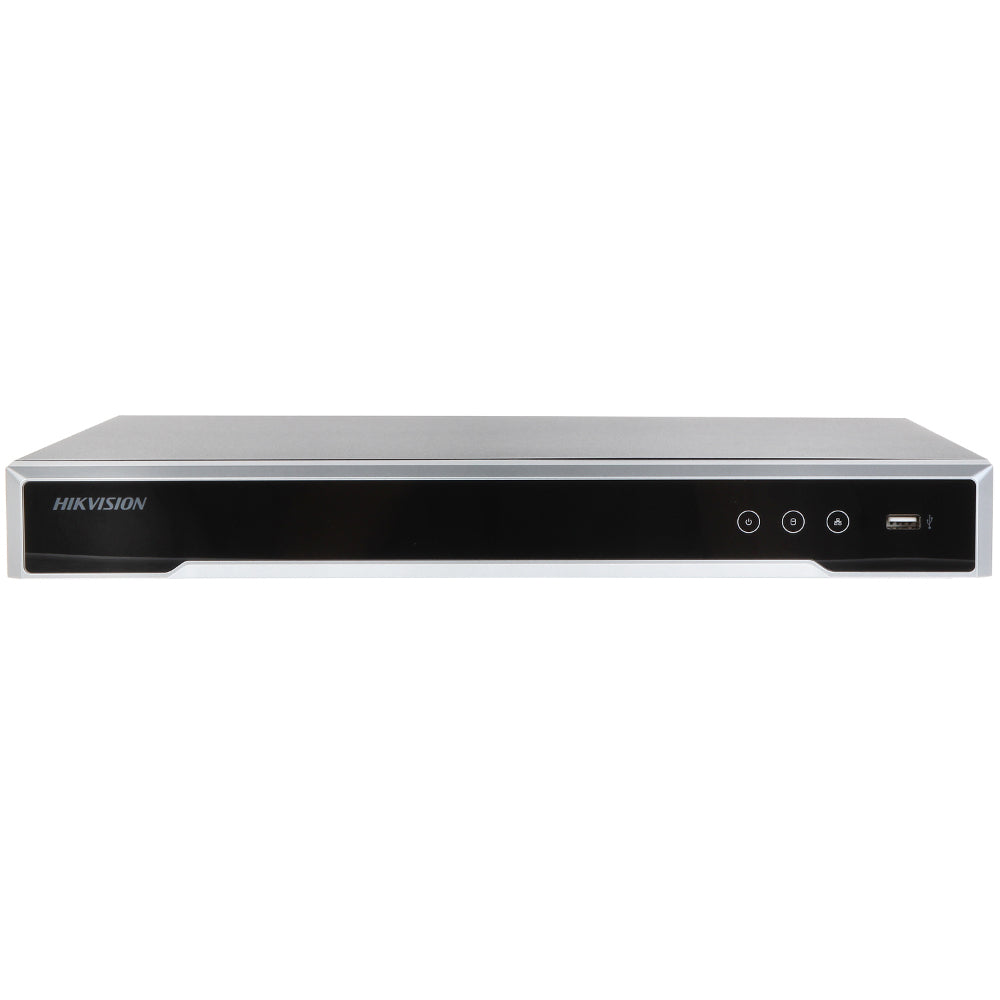
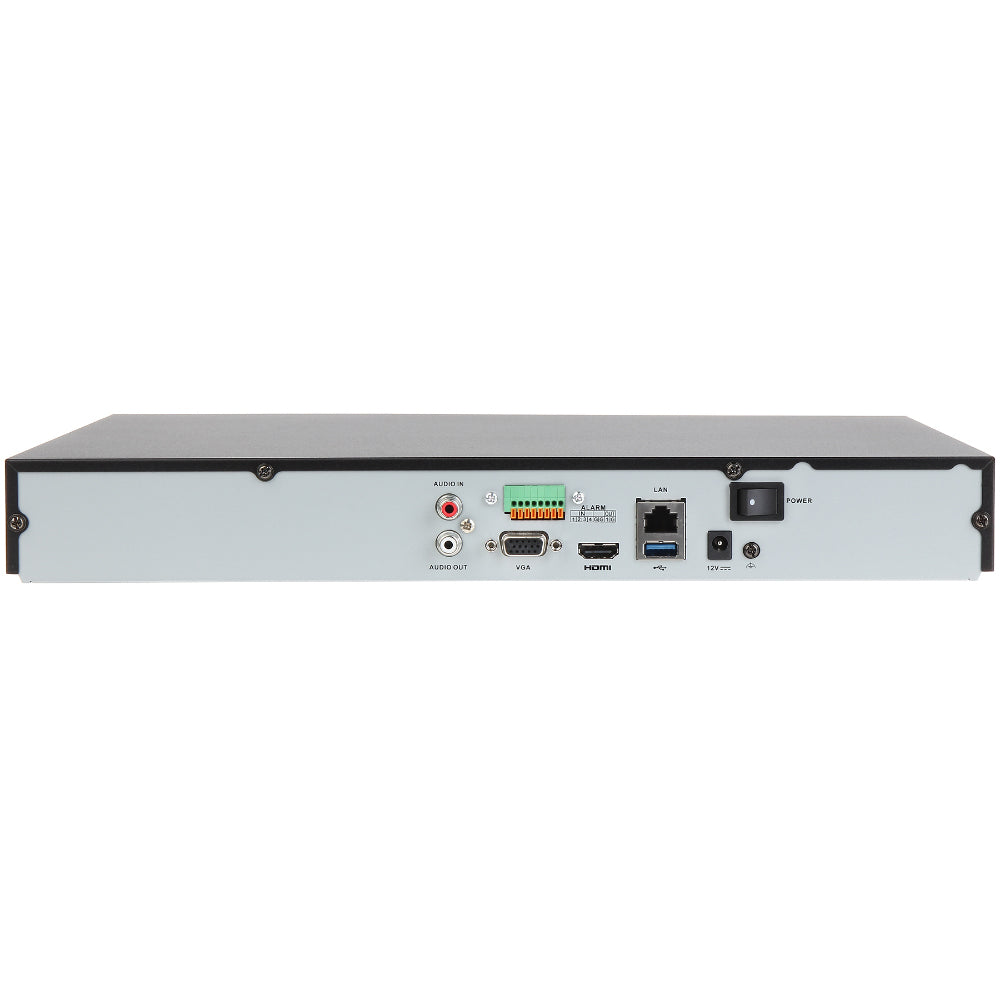
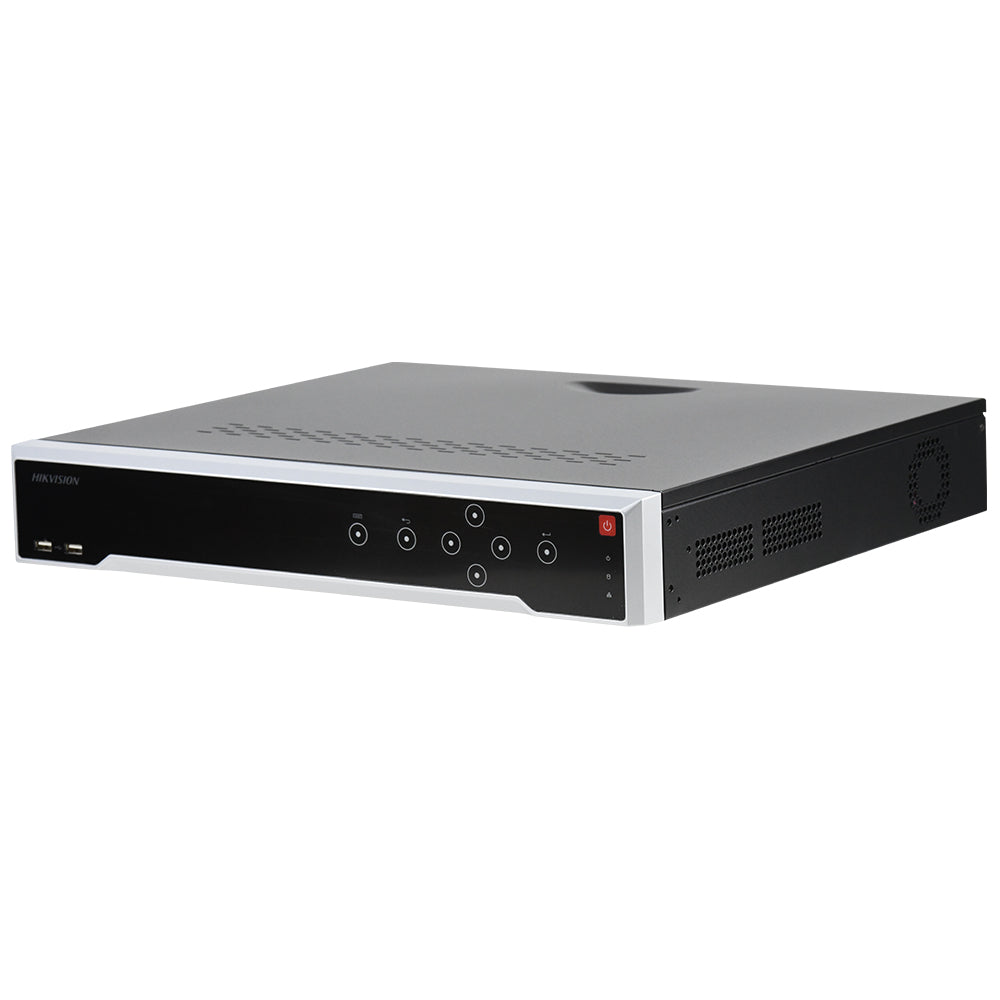
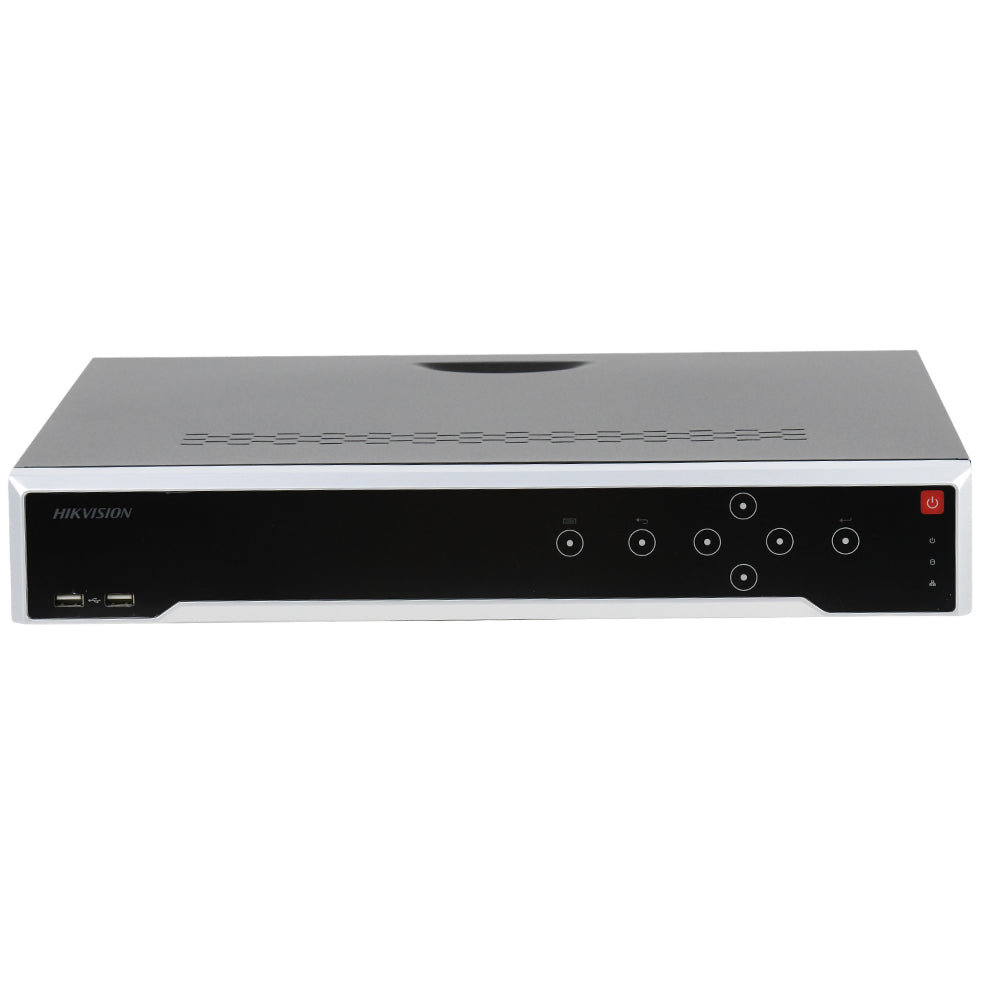
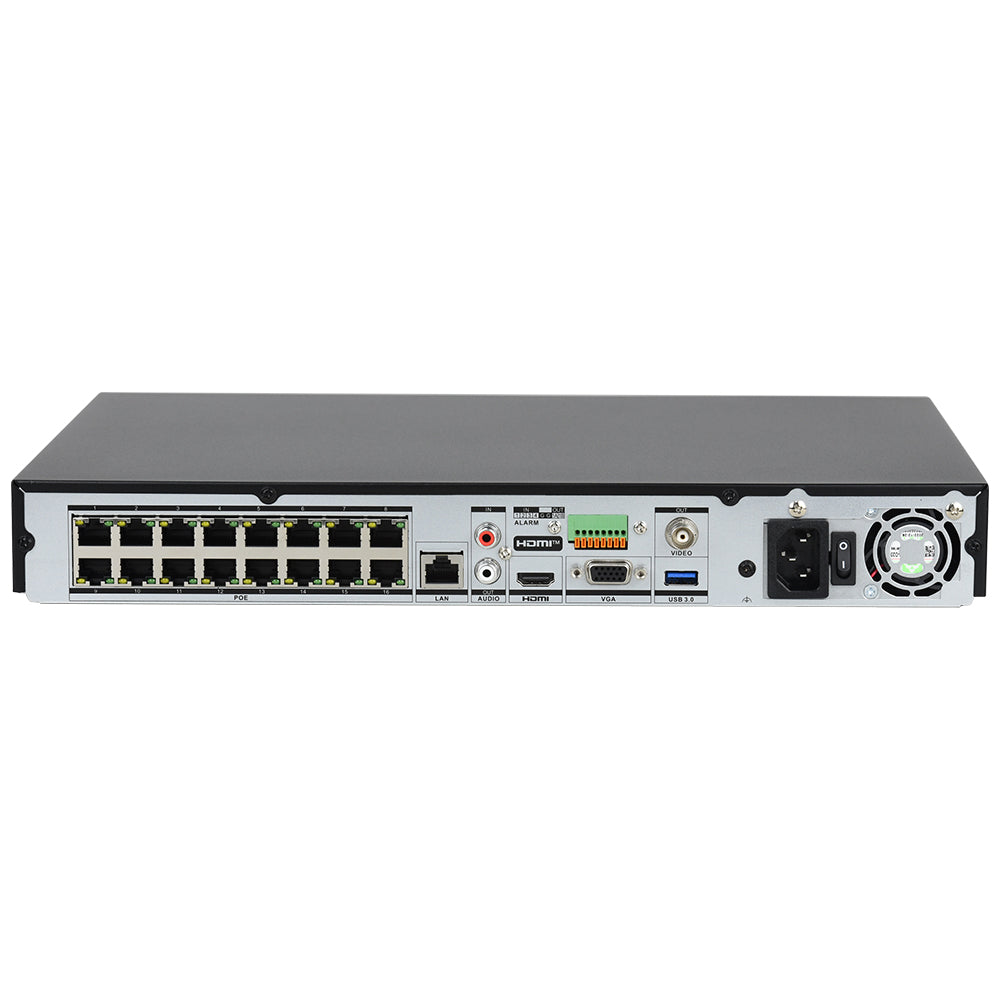
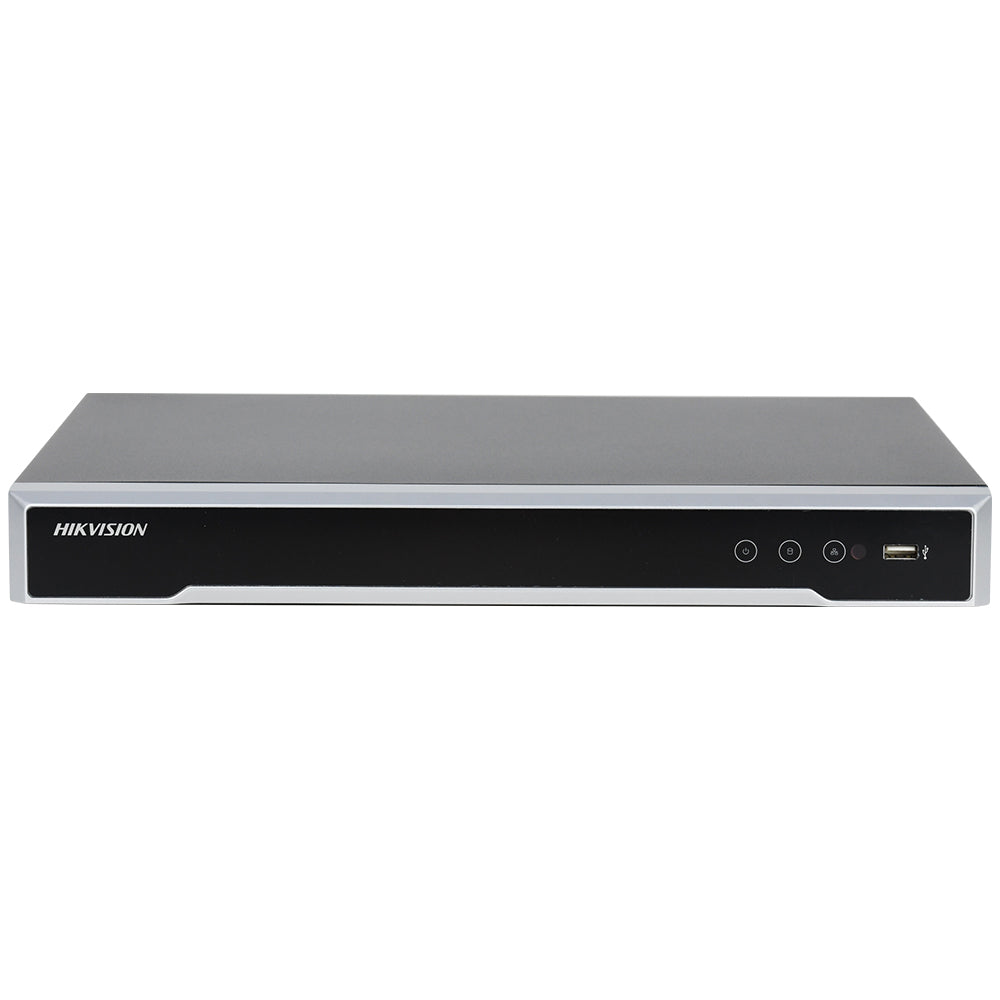
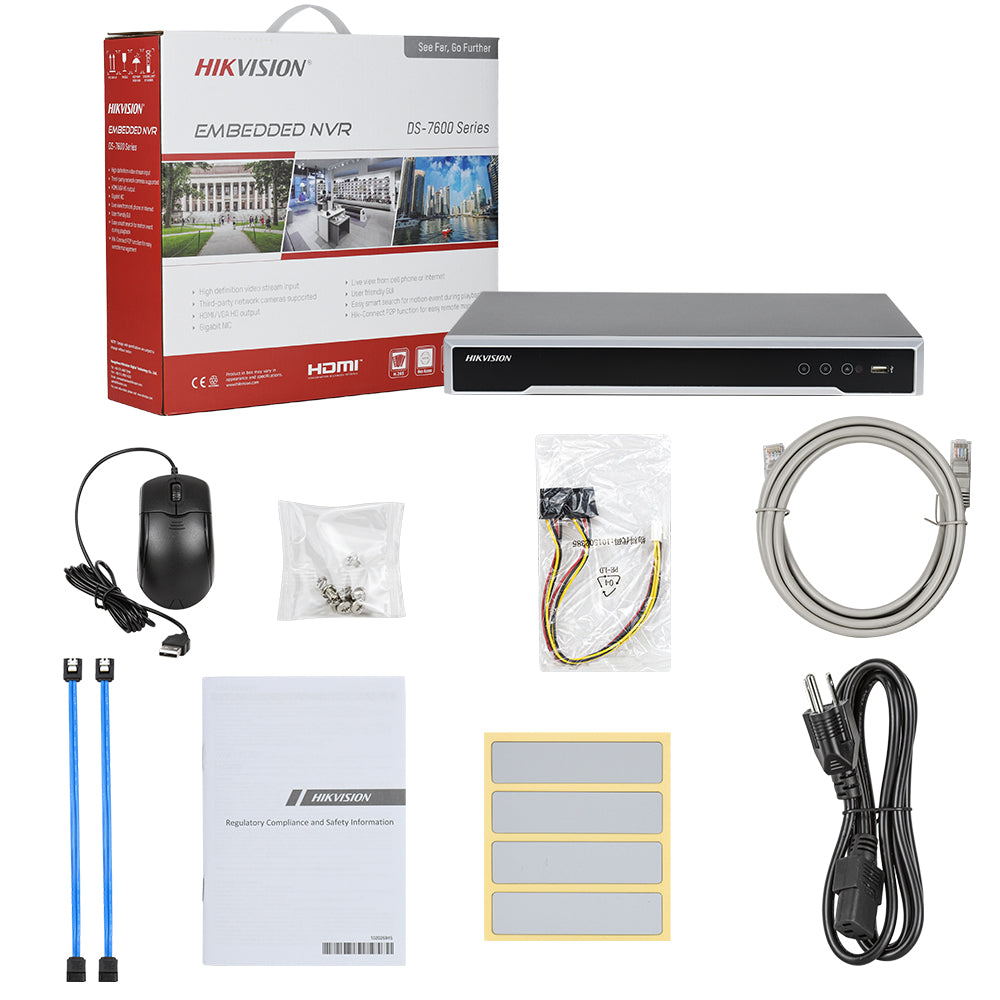
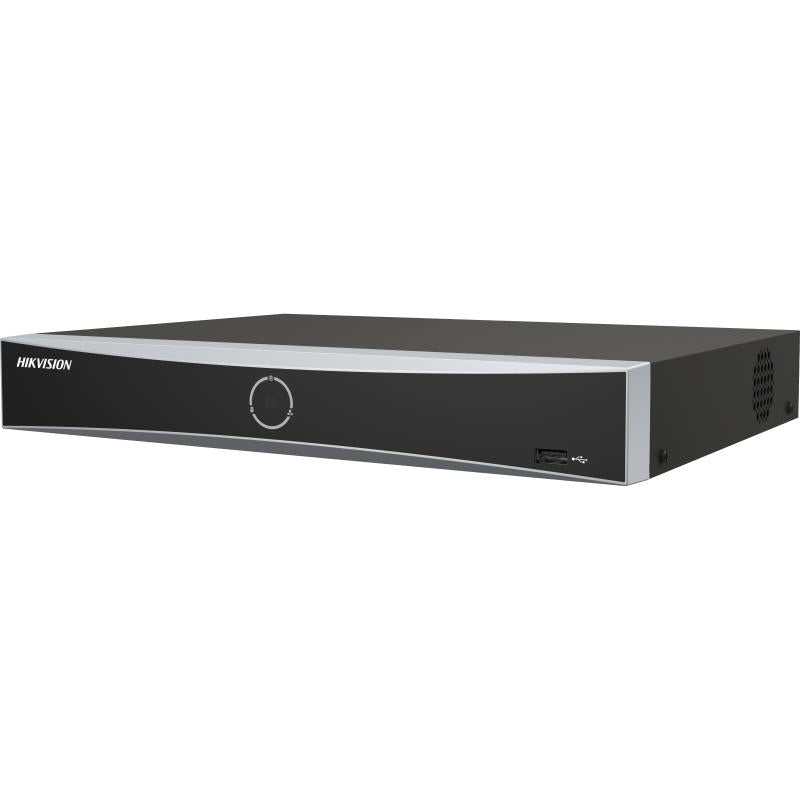
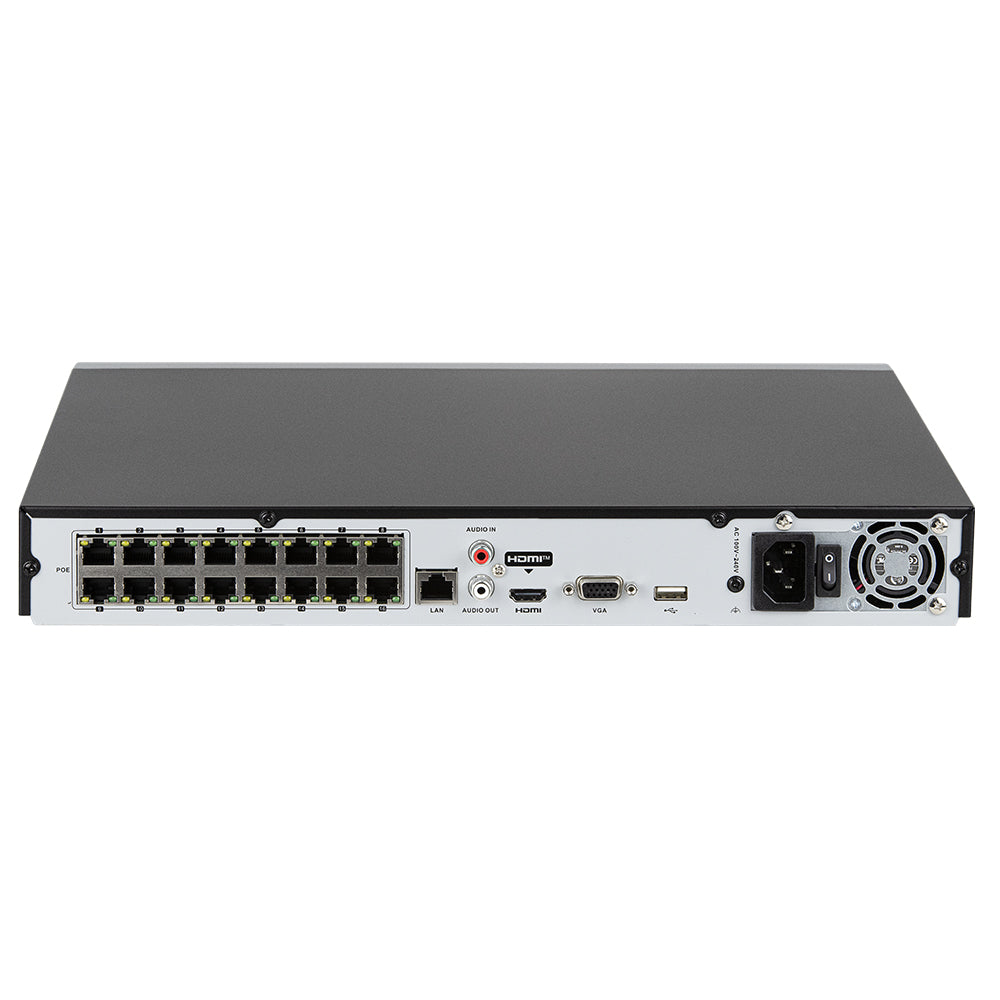
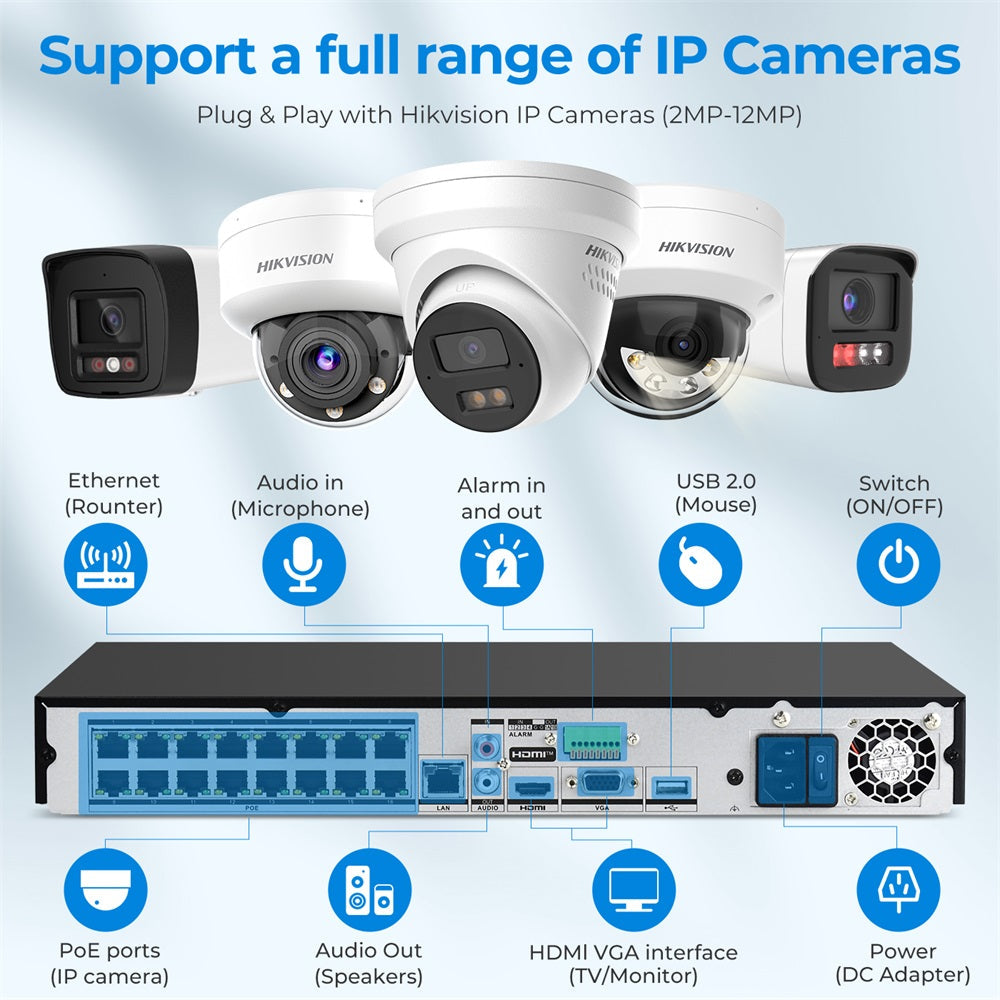
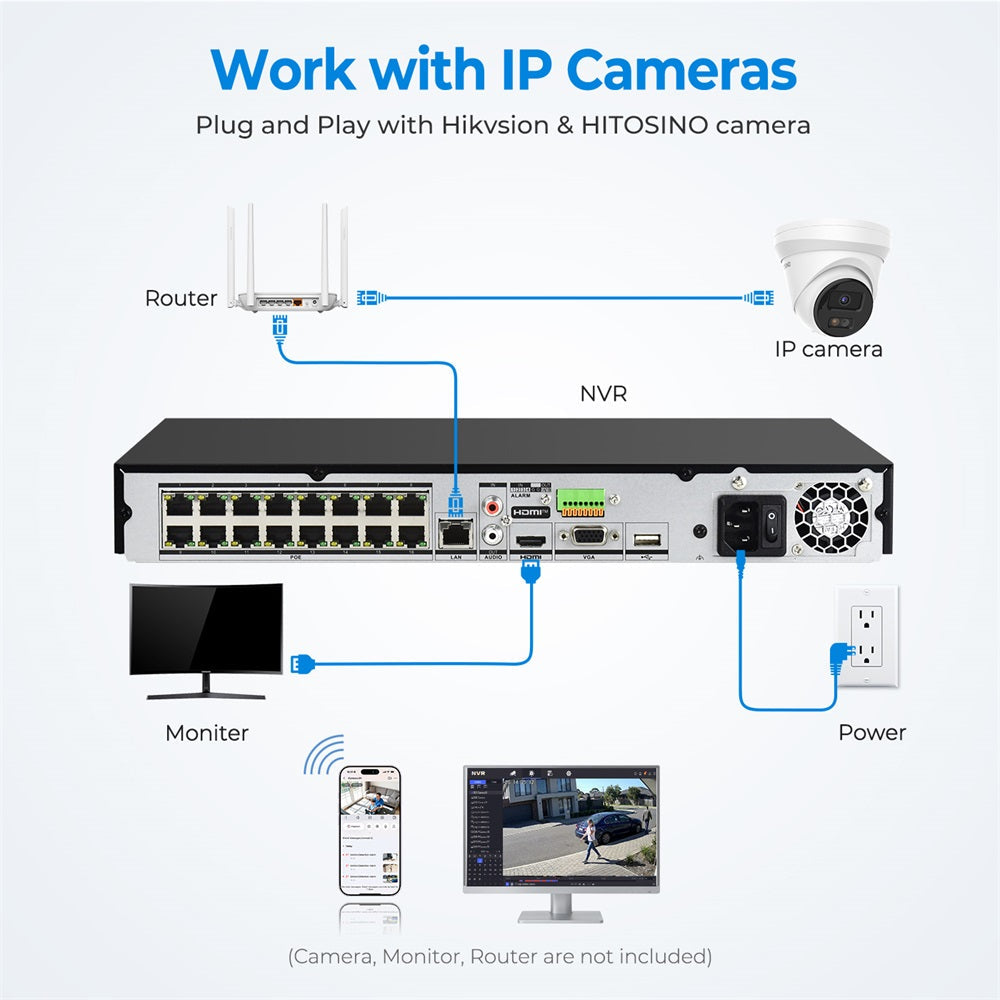
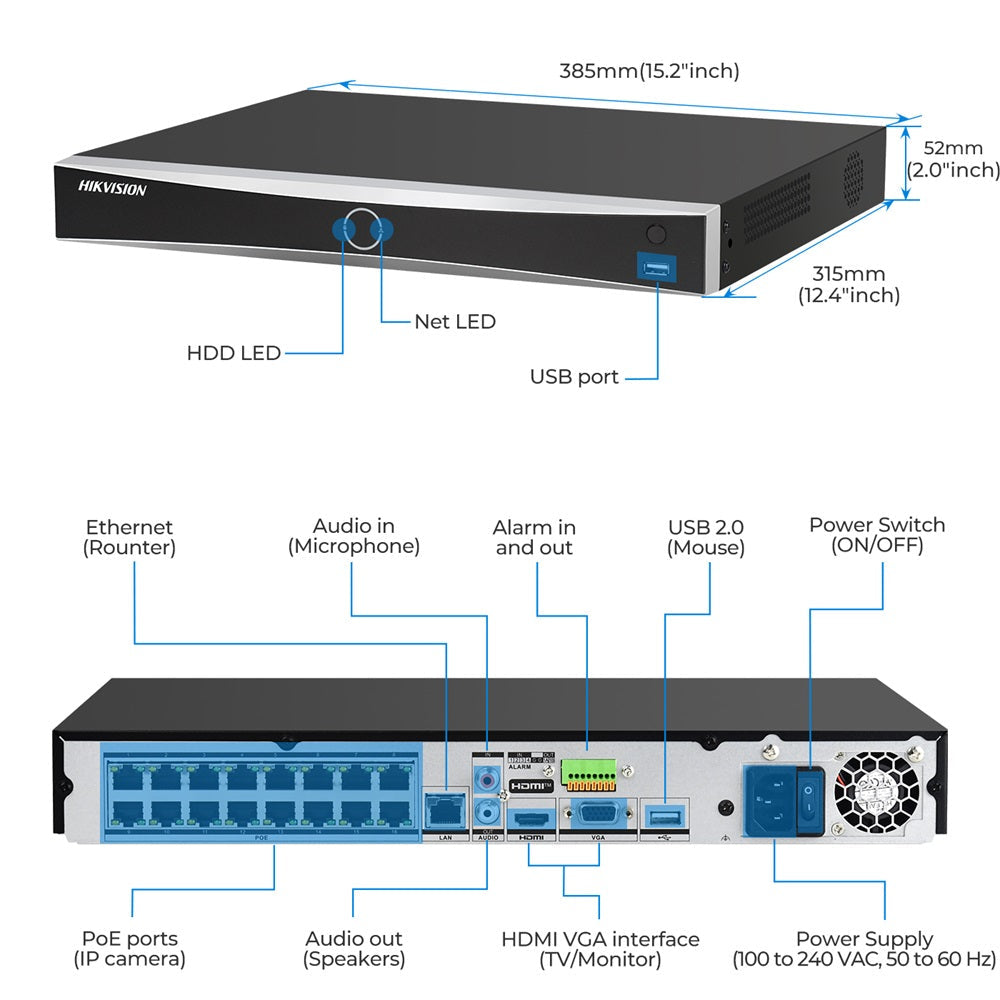
Port count is the obvious one. Many 16-channel PoE recorders provide fewer built-in PoE ports than total channels — a common configuration offers 16 channels with 8 or 16 PoE ports. Cameras beyond the available ports must connect through an external switch.
Total power budget is the limit that causes field problems. Each PoE port has a per-port maximum, but the recorder also has a combined wattage ceiling across all ports. A 16-port recorder does not necessarily supply the per-port maximum on all sixteen ports simultaneously.
Work it out before installation:
- List every camera and its maximum power draw from the spec sheet, not its typical draw
- Use the peak figure — IR illuminators, heaters, and motorized lenses all engage at once on a cold night
- Add the total and compare it against the recorder's combined PoE budget
- Leave headroom rather than designing to 100% of the ceiling
Cameras that commonly break the budget include PTZ units, models with long-range IR, cameras with built-in heaters or wipers, and any device requiring PoE+ or higher-power standards. Several of these on one recorder can consume the budget that eight standard fixed cameras would have shared.
When the Budget Runs Out
You have three practical options, and none of them require a larger recorder:
- Offload high-draw cameras to an external PoE switch — keep PTZ and heated units on a dedicated switch with its own power supply, and reserve the recorder's ports for standard fixed cameras
- Use midspan injectors for one or two exception cameras rather than resizing the whole system
- Choose a non-PoE model and run all cameras through switches sized independently of the recorder
The third option also helps when cameras sit far from the equipment room. Recorder-mounted PoE ties every camera run back to a single location, which can force long cable runs that a distributed switch layout would avoid.
Cable Distance and Port Planning
Standard PoE over copper is limited to roughly 100 metres per run. On a 16-camera site spread across a building or lot, some cameras will exceed that distance from the recorder.
Plan port assignments by physical cluster: group nearby cameras onto the recorder's built-in ports, and place a switch near any cluster beyond reach. Some Hikvision models support extended-distance PoE modes at reduced bandwidth — check whether this mode is available and what throughput penalty it carries before relying on it.